
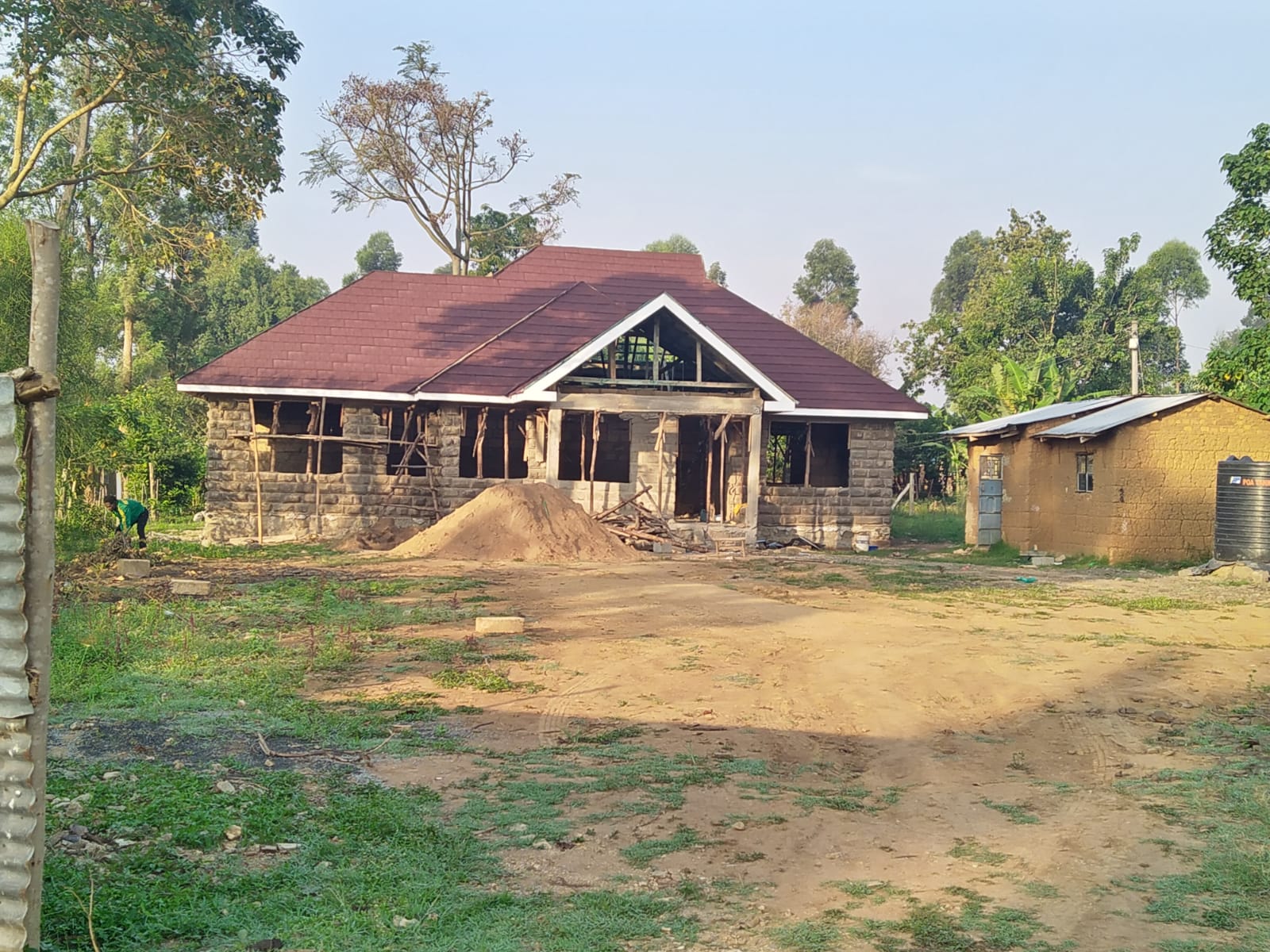
Roofing Mistakes That Cost Homeowners Millions
Your roof is your home’s first line of defense against harsh weather, moisture, wind, and extreme temperatures. Whether you live in a hot coastal region like Mombasa or a cooler highland area such as Nairobi, your roof protects everything beneath it—your structure, furniture, electrical systems, and most importantly, your family.
A well-installed, high-quality roof can last decades. But when mistakes are made during material selection or installation, the damage can spread quickly and silently, compromising the entire property.
The financial impact of roofing mistakes
Roofing errors are not just minor inconveniences—they are expensive problems. Poor decisions can lead to:
- Water damage to ceilings and walls
- Mold growth and health risks
- Structural wood rot
- Electrical hazards
- Reduced property value
- Premature full roof replacement
Homeowners often try to save money upfront, only to spend significantly more on repairs within a few years. In many cases, what could have been a manageable investment turns into a major financial burden.
How small errors turn into expensive repairs
Roofing systems work as a whole. A small issue—like choosing substandard materials or improper installation—can allow moisture to seep in. Over time, this moisture weakens structural supports, damages insulation, and creates hidden rot. By the time visible signs appear, repairs are no longer simple or cheap.
A minor mistake today can easily become a multi-million shilling repair in the future.
Choosing the Cheapest Roofing Materials
Why low-cost materials often fail prematurely
One of the most common roofing mistakes is selecting materials based solely on price. Cheap roofing sheets, tiles, or shingles may look similar to premium options, but the difference lies in durability, thickness, coating quality, and resistance to weather conditions.
Low-cost materials often:
- Rust or corrode quickly
- Crack under intense heat
- Warp during heavy rains
- Fade and weaken under UV exposure
- Have poor waterproofing capabilities
In regions with strong sun, heavy rainfall, or coastal humidity, inferior materials deteriorate much faster than expected.
Hidden long-term repair and replacement costs
The biggest problem with cheap roofing materials is not the initial cost—it’s what comes later. Homeowners may save money during construction, but they often face:
- Frequent leak repairs
- Ceiling replacements
- Insulation damage
- Mold remediation costs
- Early full roof replacement
Instead of lasting 20–30 years, low-quality roofing might fail in 5–10 years. This means paying twice for labor, materials, and related repairs—ultimately spending far more than if quality materials were chosen from the beginning.
Quality vs. price: finding the right balance
This doesn’t mean the most expensive roofing option is always the best. The key is balance—choosing materials that offer:
- Proven durability
- Manufacturer warranties
- Weather resistance suitable for your region
- Professional installation support
- Strong reviews and performance history
Investing in quality materials may cost more upfront, but it protects your home’s structure, reduces maintenance expenses, and provides long-term peace of mind.
Hiring Unqualified or Unlicensed Contractors
Risks of working with inexperienced roofers
Hiring an unqualified or unlicensed roofing contractor is one of the fastest ways to turn a simple roofing project into a financial disaster. Many homeowners are tempted by low quotes, only to realize too late that the contractor lacks proper training, tools, or experience.
Inexperienced roofers may:
- Miscalculate material requirements
- Fail to assess structural integrity
- Use improper installation methods
- Ignore manufacturer guidelines
- Overlook local building codes
These mistakes don’t just affect appearance — they compromise the safety and durability of the entire roof.
Poor workmanship and structural damage
Roofing is more than laying sheets or shingles; it’s a technical process that requires precision. Poor workmanship can lead to:
- Uneven roofing surfaces
- Improper drainage and water pooling
- Gaps that allow moisture intrusion
- Structural weakening over time
Even small installation errors can cause water to seep into beams and rafters, leading to rot, mold growth, and compromised structural stability. In severe cases, poorly installed roofs can partially collapse under heavy rain or wind pressure.
The cost of correcting poor workmanship often exceeds the original installation cost because the entire roof may need to be removed and rebuilt properly.
Lack of insurance and liability issues
One of the biggest risks of hiring unlicensed contractors is liability. If a worker gets injured on your property and the contractor lacks proper insurance, you could be held financially responsible.
Additionally, uninsured contractors typically:
- Do not provide warranties
- Cannot guarantee workmanship
- May disappear if problems arise
- Offer no legal recourse for damages
Without insurance or licensing, homeowners are left exposed to both financial and legal risks.
Importance of verifying certifications and references
Before hiring a roofing contractor, always verify:
- Business registration and licensing
- Insurance coverage (liability and worker’s compensation)
- Certifications from roofing manufacturers
- Past project references
- Customer reviews and testimonials
A professional contractor will willingly provide documentation and proof of past work. Taking time to verify credentials can save you from years of costly repairs and legal complications.
Poor Roof Installation Practices
Shingles or roofing sheets must be aligned precisely to create a watertight seal. Incorrect alignment can leave small gaps that allow wind-driven rain to penetrate beneath the surface.
Misaligned shingles may also:
- Lift during strong winds
- Cause uneven weight distribution
- Reduce the overall lifespan of the roof
- Create visible aesthetic defects
Even minor alignment errors can compromise the roof’s ability to protect the home effectively.
Fasteners play a crucial role in roof stability. Using the wrong nails, screws, or spacing can weaken the roof’s attachment to the structure.
Improper fastening increases the risk of leaks, wind damage, and premature roof failure. A roof must rest on a strong and properly engineered support system. If rafters, trusses, or decking are poorly installed or made from substandard materials, the roof may sag, crack, or collapse over time.
Long-term impact of faulty installation
Faulty installation does not always cause immediate problems. In many cases, issues develop gradually over months or years.
Long-term consequences include:
- Chronic leaks
- Mold and mildew growth
- Increased energy bills due to poor insulation
- Reduced property value
- Full roof replacement years earlier than expected
A roof is only as good as its installation. Even premium materials cannot compensate for poor workmanship. Investing in skilled professionals and proper installation practices ensures durability, safety, and long-term savings.
Ignoring Proper Roof Ventilation
Roof ventilation is often overlooked during construction, yet it plays a crucial role in maintaining the health of your entire home. Proper ventilation allows hot air and moisture to escape from the attic space while drawing in fresh air from outside.
When ventilation is inadequate:
- Heat becomes trapped in the attic
- Moisture from cooking, bathing, and daily living accumulates
- Condensation forms on wooden beams and roofing materials
Over time, this trapped moisture weakens structural components and creates the perfect environment for long-term damage.
Neglecting Regular Roof Inspections and Maintenance
Many homeowners only think about their roof when there’s visible damage. However, small leaks often start silently and remain hidden for months.
A minor crack or loose fastener can gradually allow water to seep into:
- Ceiling boards
- Wooden rafters
- Wall interiors
- Electrical systems
By the time stains appear on ceilings, the internal damage may already be extensive and costly to repair.
Recommended inspection frequency
To prevent costly problems, experts recommend:
- Inspecting your roof at least twice a year (before and after rainy seasons)
- Checking after major storms or strong winds
- Cleaning gutters regularly
- Scheduling professional inspections annually
Routine inspections help detect small issues early, allowing for affordable repairs instead of major reconstruction.
Cost comparison: maintenance vs. full replacement
Regular maintenance is significantly cheaper than replacing an entire roof. Minor repairs and inspections cost a fraction of what homeowners pay for:
- Structural reconstruction
- Mold remediation
- Ceiling and interior repairs
- Complete roof replacement
A modest annual maintenance budget can save millions in long-term repair costs. Preventative care ensures your roof remains durable, efficient, and structurally sound for decades.
In roofing, neglect is expensive — but proactive maintenance is an investment that pays for itself many times over.
Improper Flashing Installation
Role of flashing in preventing leaks
Flashing is a thin layer of metal (usually aluminum, galvanized steel, or copper) installed at critical joints and transitions on a roof. Its primary purpose is to direct water away from vulnerable areas and prevent it from seeping into the structure.
Flashing acts as a protective seal around roof penetrations and intersections. Without properly installed flashing, even the highest-quality roofing materials can fail. It is one of the most important components in maintaining a watertight roofing system.
Common flashing mistakes
Improper flashing installation is a leading cause of roof leaks. Some of the most common errors include:
- Using low-quality or rust-prone materials
- Failing to seal joints properly
- Incorrect overlapping of flashing pieces
- Improper integration with shingles or roofing sheets
- Skipping flashing altogether in certain areas
Even small installation errors can create entry points for water. Because flashing is often hidden beneath roofing materials, problems may go unnoticed until significant damage has occurred.
Installing a New Roof Over an Old One
Some homeowners choose to install a new roof directly over an old one to save money and avoid the labor of removing existing materials. While this approach may reduce upfront costs, it often creates hidden problems that lead to expensive repairs later.
Short-term benefits may include:
- Lower labor costs
- Faster installation
- Reduced disposal expenses
However, these savings can be misleading. A roof-over installation can trap existing problems beneath the new layer, allowing damage to continue unseen.
DIY Roofing Without Proper Knowledge
Roofing work is physically demanding and involves significant risks. Falls from height are one of the leading causes of construction-related injuries.
DIY roofing risks include:
- Falls from ladders or roof edges
- Electrical hazards
- Exposure to sharp materials
- Improper handling of tools
- Weather-related accidents
Professional roofing teams use safety equipment and training to minimize these dangers. Without proper precautions, homeowners may face serious injury.
For expert roofing solutions and professional installation, consider trusted services like Khatet Roofing Services Kenya. Professional guidance helps homeowners avoid costly errors and secure roofing systems built to last.