
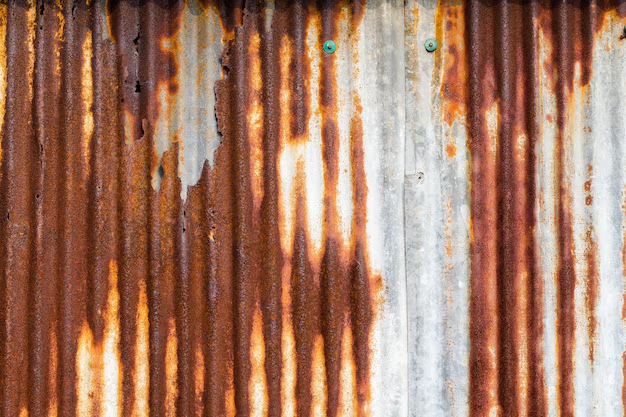
How to Prevent Rust on Iron Sheet Roofing in Kenya
Iron sheet roofing remains one of the most popular roofing solutions in Kenya due to its affordability, durability, and wide availability. However, rust is a common challenge that shortens the lifespan of iron sheets and weakens their structural integrity. Once rust sets in, it spreads quickly, leading to leaks, weakened roofing, and costly repairs. Preventing rust is far cheaper and more effective than replacing damaged sheets, making proactive maintenance essential.
This guide explores the causes of rust and practical ways to prevent it, ensuring your roof lasts longer and remains in good condition.
What Causes Rust on Iron Sheet Roofs?
Rust occurs when iron reacts with moisture and oxygen, leading to corrosion. Several factors contribute to rust formation on roofing sheets:
Exposure to Rain and Moisture
In areas with high humidity or frequent rainfall—such as coastal and humid regions—iron sheets are constantly exposed to moisture. Water sitting on the surface accelerates corrosion, especially if the roof lacks proper drainage or protective coatings.
Poor-Quality or Uncoated Iron Sheets
Not all iron sheets are manufactured with rust resistance in mind. Low-quality sheets or those without galvanized or protective coatings rust much faster. Investing in coated or galvanized roofing sheets significantly reduces rust risk.
Scratches and Damage to Protective Coatings
Iron sheets often come with protective coatings that prevent direct exposure of metal to the environment. However, scratches during installation or maintenance can expose the underlying metal, making it vulnerable to rust.
Lack of Regular Maintenance
Neglecting roof maintenance allows dirt, debris, and moisture to accumulate. Leaves and dust trap water, creating conditions that speed up corrosion.
Acidic Environmental Conditions
Industrial areas and coastal regions may have acidic air or salt particles that accelerate rust formation. Salt-laden air, in particular, is highly corrosive to metal roofing.
Why Rust is a Serious Problem
Rust on iron sheet roofing is more than a cosmetic issue—it directly affects the strength and functionality of your roof. Ignoring rust can lead to costly repairs and even structural failures over time.
Weakens Roofing Structure
Rust gradually eats away at the metal, thinning the iron sheets and reducing their strength. Over time, weakened sheets may become unable to withstand strong winds or heavy rains, increasing the risk of damage or collapse in extreme cases.
Causes Leaks and Water Damage
As rust spreads, it creates small holes and weak points in the roofing material. These openings allow rainwater to seep into the building, leading to damp walls, damaged ceilings, and potential mold growth. Water leaks can also ruin furniture and stored items, adding to repair costs.
Reduces the Lifespan of the Roof
A well-maintained iron sheet roof can last for decades. However, rust significantly shortens its lifespan by continuously degrading the material. Once corrosion advances, even repairs may not fully restore the roof’s original durability, often requiring partial or complete replacement.
Increases Maintenance and Replacement Costs
Addressing rust early is far cheaper than dealing with extensive damage. Minor rust spots can be treated, but widespread corrosion may require replacing large sections of the roof. Regular maintenance and preventive measures help avoid these expensive interventions.
How to Prevent Rust on Iron Sheet Roofing in Kenya
Preventing rust is the best way to extend the life of your iron sheet roof and avoid costly repairs. With proper material selection and maintenance, you can significantly reduce corrosion and keep your roof in good condition for years.
Use High-Quality, Galvanized Iron Sheets
Galvanization involves coating iron sheets with zinc, which acts as a protective barrier against moisture and oxygen—two major causes of rust.
- Importance of Zinc Coating (Galvanization)
Zinc prevents direct contact between the iron and the environment, reducing corrosion. Even if the coating is scratched, zinc continues to provide some protection through a self-healing effect. - Benefits of Pre-Painted and Corrosion-Resistant Sheets
Pre-painted sheets come with an extra protective layer that enhances durability and reduces maintenance needs. They also improve aesthetics and reflect heat, keeping interiors cooler. - Tips for Sourcing Quality Materials
- Purchase from reputable suppliers and manufacturers
- Check for quality certifications and product warranties
- Avoid extremely cheap sheets that may lack proper coatings
- Inspect sheets for uniform coating and absence of defects
Apply Protective Roof Coatings
Roof coatings act as an additional barrier against moisture and environmental damage.
- Rust-Proof Paints and Sealants
Specialized anti-rust paints and sealants protect exposed metal surfaces. These products help block moisture and slow corrosion. - Benefits of Reflective Coatings (Heat Reduction)
Reflective coatings reduce heat absorption, lowering indoor temperatures and minimizing thermal expansion that can weaken roofing materials. - How Often Coatings Should Be Applied
Reapply protective coatings every 3–5 years, or as recommended by the manufacturer. Regular touch-ups help maintain effectiveness.
Regular Roof Cleaning and Maintenance
Routine cleaning prevents debris buildup and moisture retention, both of which accelerate rust.
- Remove leaves, dust, and dirt that trap water
- Clean gutters to ensure proper drainage
- Avoid using harsh chemicals that may damage coatings
- Schedule inspections at least twice a year
Fix Scratches and Damaged Areas Early
Even small scratches can expose metal to moisture, creating entry points for rust.
- Use rust-inhibiting primers on exposed areas
- Apply touch-up paint to restore protective coatings
- Address minor damage before it spreads
- Inspect roofs after storms or strong winds
Early repairs are far cheaper than dealing with extensive corrosion.
Ensure Proper Roof Installation
Correct installation reduces water retention and structural weaknesses.
- Hire professional installers with roofing experience
- Avoid gaps that allow water to pool
- Use high-quality fasteners and fittings that resist corrosion
- Ensure proper slope for water drainage
Poor installation increases the risk of leaks and rust formation.
Best Practices for Long-Term Rust Prevention in Kenya
Rust prevention requires consistent care and smart maintenance habits. Following best practices will help extend the life of your iron sheet roof and reduce repair costs.
Schedule Periodic Roof Inspections
Regular inspections help detect early signs of rust and damage before they worsen.
- Inspect the roof at least twice a year
- Check after heavy rains or strong winds
- Look for discoloration, small rust spots, and loose fasteners
- Address minor issues before they expand
Early detection is the most cost-effective way to maintain roof durability.
Avoid Harsh Cleaning Chemicals
Strong chemicals can damage protective coatings and accelerate corrosion.
- Use mild soap and water for cleaning
- Avoid abrasive scrubbing that scratches the surface
- Rinse thoroughly to remove residue
- Follow manufacturer recommendations for cleaning products
Gentle cleaning preserves protective layers and keeps the roof in good condition.
Consider Roof Ventilation to Reduce Moisture
Excess moisture trapped under the roof can contribute to rust formation.
- Install proper ventilation systems
- Allow air circulation to reduce humidity
- Prevent condensation buildup
- Improve indoor comfort and energy efficiency
Good ventilation minimizes moisture-related corrosion risks.
Use Rainwater Drainage Systems
Standing water on the roof accelerates rust and structural deterioration.
- Install gutters and downspouts
- Ensure drainage systems remain clear of debris
- Regularly clean gutters to prevent blockages
- Direct water away from walls and foundations
Efficient drainage prevents water accumulation and reduces corrosion.
Common Mistakes That Accelerate Rust
Rust on iron sheet roofing often worsens due to avoidable mistakes. Understanding these errors helps you protect your roof and extend its lifespan.
Ignoring Small Rust Spots
Small rust patches may seem harmless, but they spread quickly.
- Rust expands if left untreated
- Minor spots can turn into holes
- Water leaks become more likely
- Early treatment is far cheaper than major repairs
Address rust immediately to prevent long-term damage.
Using Low-Quality Paints
Not all paints provide effective rust protection.
- Ordinary paints may trap moisture
- Poor coatings peel and expose metal
- Rust-proof paints last longer
- Choose products designed for metal roofing
Quality coatings act as a protective barrier against corrosion.
Skipping Maintenance
Neglecting routine care accelerates deterioration.
- Debris buildup traps moisture
- Dirt reduces coating effectiveness
- Small issues go unnoticed
- Regular cleaning prevents long-term damage
Consistent maintenance is essential for roof longevity.
Poor Installation Practices
Improper installation increases the risk of leaks and rust.
- Gaps allow water accumulation
- Weak fasteners may rust quickly
- Incorrect alignment affects drainage
- Professional installation improves durability
Proper installation reduces future repair costs.
When to Replace Rusted Iron Sheets
In some cases, repairs are no longer sufficient, and replacement becomes necessary.
Signs Replacement Is Necessary
- Large holes or widespread corrosion
- Structural weakness in roofing sheets
- Frequent leaks despite repairs
- Extensive rust covering large areas
If damage is severe, replacement ensures safety and long-term reliability.
Cost Comparison: Repair vs Replacement
- Minor rust: cheaper to repair
- Widespread corrosion: replacement may be more cost-effective
- Ongoing repairs add long-term expenses
- New sheets reduce future maintenance costs
Sometimes investing in new materials saves money over time.
Choosing Rust-Resistant Alternatives
Modern roofing materials offer improved durability.
- Galvanized and pre-painted sheets
- Corrosion-resistant coatings
- High-quality metal roofing options
- Materials designed for long-term performance
Upgrading to better materials reduces future rust problems.
Conclusion
Rust is a common challenge for iron sheet roofing in Kenya, but it can be managed with proper care. Avoiding common mistakes, maintaining regular inspections, and addressing small issues early will significantly extend roof lifespan and reduce costs.
For professional solutions and expert roofing services, I recommend Khatet Roofing Services Kenya—a trusted provider of quality roofing solutions and maintenance services.