
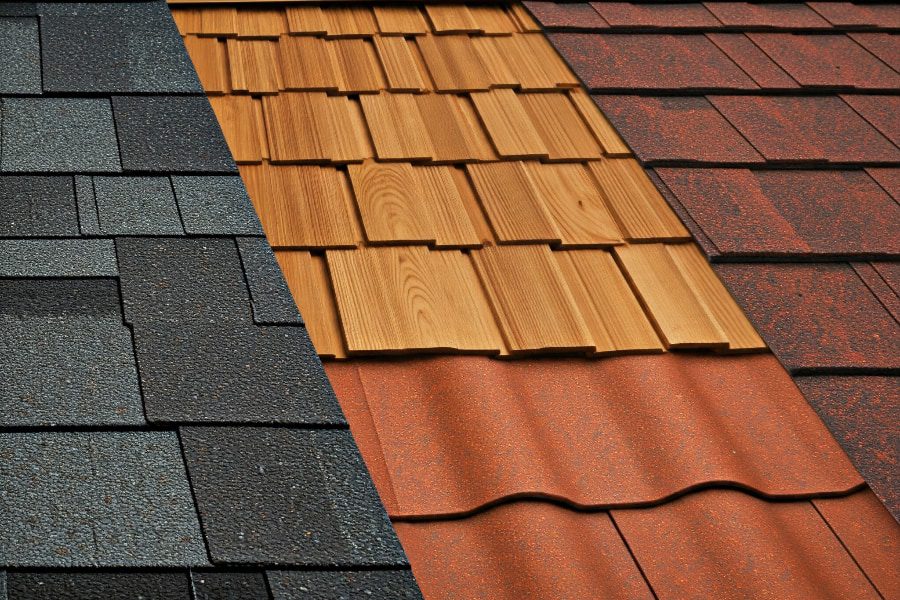
Roofing Materials for Kenyan Climate
Choosing the right roofing material is essential for durability, energy efficiency, and comfort in Kenya’s varied climate. High temperatures, seasonal rainfall, and occasional strong winds mean that roofs must be both heat-resistant and weatherproof. Selecting suitable materials can reduce maintenance costs and improve long-term performance.
What to Consider Before Buying Material
- Heat Resistance – Materials should reflect heat and provide insulation to keep indoor temperatures comfortable.
- Durability – Roofing should withstand weather extremes without frequent repairs.
- Rainfall Protection – Proper water resistance prevents leaks and structural damage.
- Maintenance Needs – Low-maintenance options reduce long-term upkeep costs.
- Energy Efficiency – Insulated roofs can lower cooling expenses.
- Aesthetic Appeal – Roofing should complement architectural design.
- Material Availability – Locally available materials can reduce costs and ensure accessibility.
Common Roofing Options in Kenya
Several roofing materials are popular in Kenya due to their durability and performance:
- Corrugated Iron Sheets – Widely used due to affordability and durability.
- Concrete Tiles – Offer excellent heat insulation and aesthetic appeal.
- Clay Tiles – Durable and visually appealing but heavier and more expensive.
- Stone-Coated Metal Tiles – Lightweight, durable, and aesthetically versatile.
- Polycarbonate Sheets – Common for transparent roofing in patios and commercial spaces.
- Asphalt Shingles – Used in modern homes but less common due to import costs.
Top Roofing Materials for Kenya Homes
Choosing the right roofing material depends on climate, budget, and structural requirements. Below are the most common roofing options used in Kenya, with their advantages and best applications.
Corrugated Iron Sheets (CGI Sheets)
Advantages
- Affordable and widely available
- Durable when properly maintained
- Lightweight and easy to install
Disadvantages
- Absorbs heat, making interiors warmer
- Can be noisy during rain
- May rust if not well coated
Best for
- Budget-conscious projects
- Rural homes
- Temporary and semi-permanent structures
Stone-Coated Metal Tiles
Advantages
- Attractive, modern appearance
- Excellent durability
- Better heat resistance than traditional metal sheets
- Available in various designs and colors
Disadvantages
- Higher initial cost
- Requires professional installation
Best for
- Modern homes
- Commercial buildings
- Projects prioritizing aesthetics and longevity
Concrete Roof Tiles
Advantages
- Highly durable
- Good thermal insulation
- Fire-resistant
- Available in different designs
Disadvantages
- Heavy and requires strong structural support
- Installation can be more expensive
Best for
- Permanent structures
- Homes with reinforced roofing structures
- Areas requiring heat insulation
Clay Roof Tiles
Advantages
- Natural insulation properties
- Classic and elegant appearance
- Long lifespan when maintained
Disadvantages
- Fragile and prone to breakage
- Higher cost
- Requires strong roof framing
Best for
- High-end homes
- Heritage-style buildings
- Structures prioritizing aesthetics and insulation
Polycarbonate Roofing Sheets
Advantages
- Lightweight
- Transparent options for natural lighting
- Easy installation
Disadvantages
- Retains heat
- Less durable than metal or tile options
- Can discolor over time
Best for
- Patios
- Greenhouses
- Carports and walkways
Asphalt Shingles
Advantages
- Aesthetic variety
- Easy installation
- Suitable for modern designs
Disadvantages
- Shorter lifespan in extreme heat
- Requires proper ventilation
- Not as common in hot climates
Best for
- Modern residential homes
- Areas with moderate temperature conditions
- Architectural designs requiring a sleek finish
Roofing Materials for Different Regions in Kenya
Roofing needs vary across Kenya due to differences in climate, humidity, and rainfall. Selecting region-appropriate materials improves durability and energy efficiency.
Coastal Areas (e.g., Mombasa)
Coastal regions experience high humidity and salt-laden air, which can accelerate corrosion in metal roofing.
Consider heat-resistant materials
- Stone-coated metal tiles
- Concrete tiles
- Reflective metal sheets with anti-corrosion coatings
Importance of corrosion-resistant options
- Humidity can cause rust in untreated iron sheets
- Salt air speeds up material degradation
- Protective coatings extend roof lifespan
Best roofing choice
Stone-coated metal tiles and coated CGI sheets provide durability and heat resistance while minimizing corrosion risks.
Highland Areas (e.g., Nairobi, Kiambu)
Highland regions experience cooler temperatures and seasonal rainfall, requiring roofs that offer insulation and weather protection.
Materials that offer good insulation
- Concrete tiles
- Clay tiles
- Stone-coated metal tiles
Weather durability
- Heavy rains demand waterproof roofing
- Durable materials reduce maintenance costs
- Proper installation prevents leaks
Best roofing choice
Concrete and clay tiles provide excellent insulation and long-term durability for highland climates.
Arid and Semi-Arid Regions
Dry areas require heat-reflective materials that withstand dusty conditions and intense sunlight.
Heat-reflective roofing solutions
- Stone-coated metal tiles
- Coated CGI sheets
- Light-colored roofing materials
Durability in dry, dusty conditions
- Materials should resist abrasion
- Regular maintenance prevents dust buildup
- Reflective coatings reduce heat absorption
Best roofing choice
Stone-coated metal tiles and reflective metal sheets work well in arid climates by reducing heat and enhancing durability.
Cost Comparison of Roofing Materials
When choosing a roofing material in Kenya, cost is a major factor — but it’s important to balance upfront expenses with long-term value. Below is a breakdown of roofing materials by budget category:
Budget-Friendly Options
- Corrugated Iron Sheets (CGI Sheets)
– One of the most affordable roofing choices
– Easy to install, widely available, and suitable for basic structures
– However, may require coating treatment for better longevity - Polycarbonate Sheets
– Relatively low cost for lightweight roofing
– Good for patios, carports, and non-residential areas
– Not ideal for primary residential roofing due to heat and durability limitations
These options are best for projects with tight budgets, temporary structures, or secondary spaces.
Mid-Range Solutions
- Stone-Coated Metal Tiles
– Offers a balance between cost, durability, and aesthetics
– Longer lifespan than basic metal sheets
– Better heat resistance and appearance - Asphalt Shingles
– Moderate cost with visual variety
– Easy to install, though less common in hotter regions
Mid-range materials work well for homeowners or builders seeking quality and durability without the highest price tag.
Premium Roofing Materials
- Concrete Roof Tiles
– Strong durability and excellent insulation
– Higher upfront cost due to weight and installation requirements - Clay Roof Tiles
– Premium aesthetic and natural thermal insulation
– Fragile and relatively expensive, requiring sturdy support
Premium materials are ideal for long-term residential investment, luxury homes, and architectural designs where appearance and performance matter.
Long-Term Cost Considerations
When comparing roofing options, it’s essential to factor in lifecycle costs — not just initial price:
- Durability – Longer-lasting roofs reduce replacement frequency.
- Maintenance – Some materials like clay and stone-coated tiles require minimal upkeep, lowering costs.
- Energy efficiency – Heat-reflective or insulated roofs can reduce cooling expenses over time.
- Resale value – Quality roofing can increase property value.
Investing slightly more upfront in durable, energy-efficient materials often leads to long-term savings.
Maintenance Tips for Roofing in Kenya
Proper roof maintenance helps prolong lifespan, prevent leaks, and protect your home from Kenya’s diverse weather conditions. Here are practical maintenance tips:
Regular Inspections
- Inspect your roof at least twice a year — before and after rainy seasons.
- Check for loose or damaged materials, cracks, or signs of wear.
- Early detection prevents small issues from becoming costly repairs.
Cleaning Gutters and Removing Debris
- Clear gutters and downspouts of leaves, twigs, and debris to prevent water backup.
- Debris can trap moisture, leading to rust or roof damage.
- Regular cleaning ensures proper drainage during heavy rains.
Repainting and Rust Prevention
- Metal roofs benefit from protective coatings to prevent corrosion, especially in coastal or humid areas.
- Repaint metal sheets every few years with quality roofing paint.
- Rust prevention extends lifespan and maintains appearance.
Addressing Minor Damages Early
- Fix loose tiles, bent sheets, or minor leaks as soon as they’re spotted.
- Ignoring small issues can lead to structural damage and higher repair costs later.
- Use professional help for significant repairs or complex roofing systems.
Common Mistakes to Avoid When Choosing Roofing Materials
Selecting the right roofing material is a long-term investment. Many property owners make avoidable mistakes that lead to higher costs and frequent repairs.
Ignoring Climate Suitability
Roofing materials must match the local climate of Kenya.
- Heat-sensitive materials may degrade in hot regions
- Humidity-resistant options are crucial in coastal areas
- Poor climate choices can shorten roof lifespan
Always prioritize materials designed to withstand local weather conditions.
Choosing Aesthetics Over Durability
While appearance matters, durability should come first.
- Attractive but weak materials may require frequent replacements
- Long-lasting options save money over time
- Balance design with performance
A roof should enhance appearance without compromising structural strength.
Skipping Professional Installation
DIY installation might seem cost-effective but often leads to problems.
- Improper installation can cause leaks
- Structural weaknesses reduce roof longevity
- Professionals ensure correct fitting and material handling
Hiring experienced installers protects your investment and reduces future repairs.
Neglecting Long-Term Maintenance
Even durable roofs require regular care.
- Clean gutters and remove debris
- Inspect for minor damage
- Address rust or loose materials early
Preventive maintenance extends roof lifespan and avoids expensive repairs.
Conclusion
Avoiding common mistakes ensures a strong, durable, and cost-effective roofing solution. Climate suitability, professional installation, and regular maintenance are key factors in long-term performance.
For expert roofing solutions in Kenya, consider Khatet Roofing Services Kenya — a trusted provider of quality roofing materials and professional installation services.