Estimating roofing costs in advance is crucial because prices vary significantly based on material choice, labor expenses, and site conditions. Understanding these factors helps you plan effectively and avoid unexpected expenses. This guide provides a comprehensive breakdown of Roofing Cost in Kenya, helping homeowners and property developers make informed budgeting decisions.
Roofing Cost in Kenya
Roofing Material Costs (Per Square Meter Estimates)
Mabati Roofing Costs
Mabati is corrugated metal roofing sheets commonly used across Kenya for residential, commercial, and agricultural buildings. Typically made from galvanized steel and coated with protective paint, mabati is favored for its affordability and ease of installation.
Price Range Per Square Meter (Kenya Shillings)
- Standard gauge mabati: KSh 400 – KSh 800 per m²
- Thicker gauge / premium coated sheets: KSh 800 – KSh 1,200+ per m²
Prices vary by brand, gauge thickness, and coating quality.
Advantages
- Cost-effective and easily available throughout Kenya
- Quick and simple to install
- Lightweight compared to tiles or shingles
- Reflects heat, helping reduce indoor temperatures
Disadantages
- Shorter lifespan than premium materials
- Can be noisy during heavy rain
- May dent or corrode over time if not well-coated
- Moderate insulation properties
Decra Roofing Costs
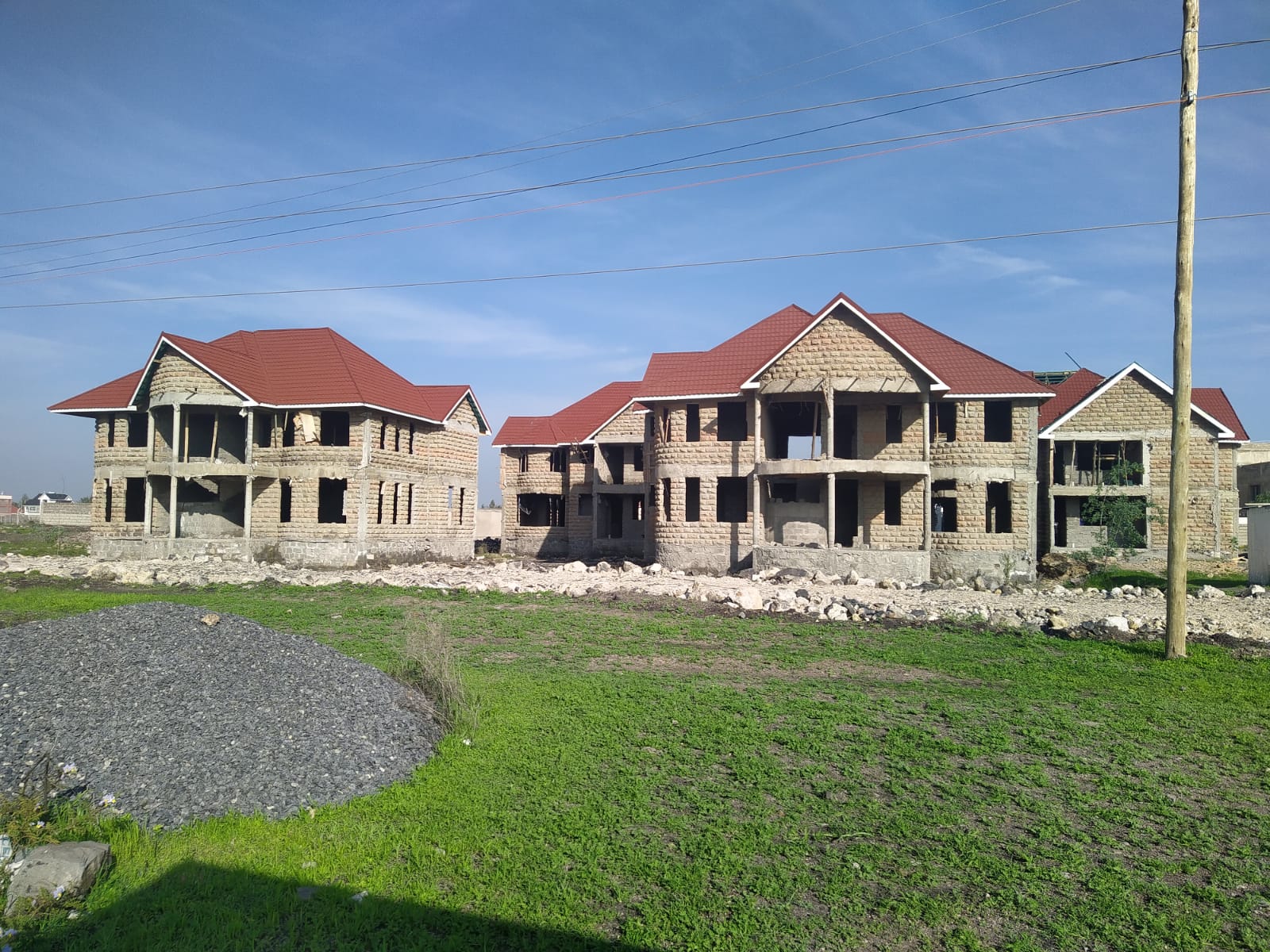
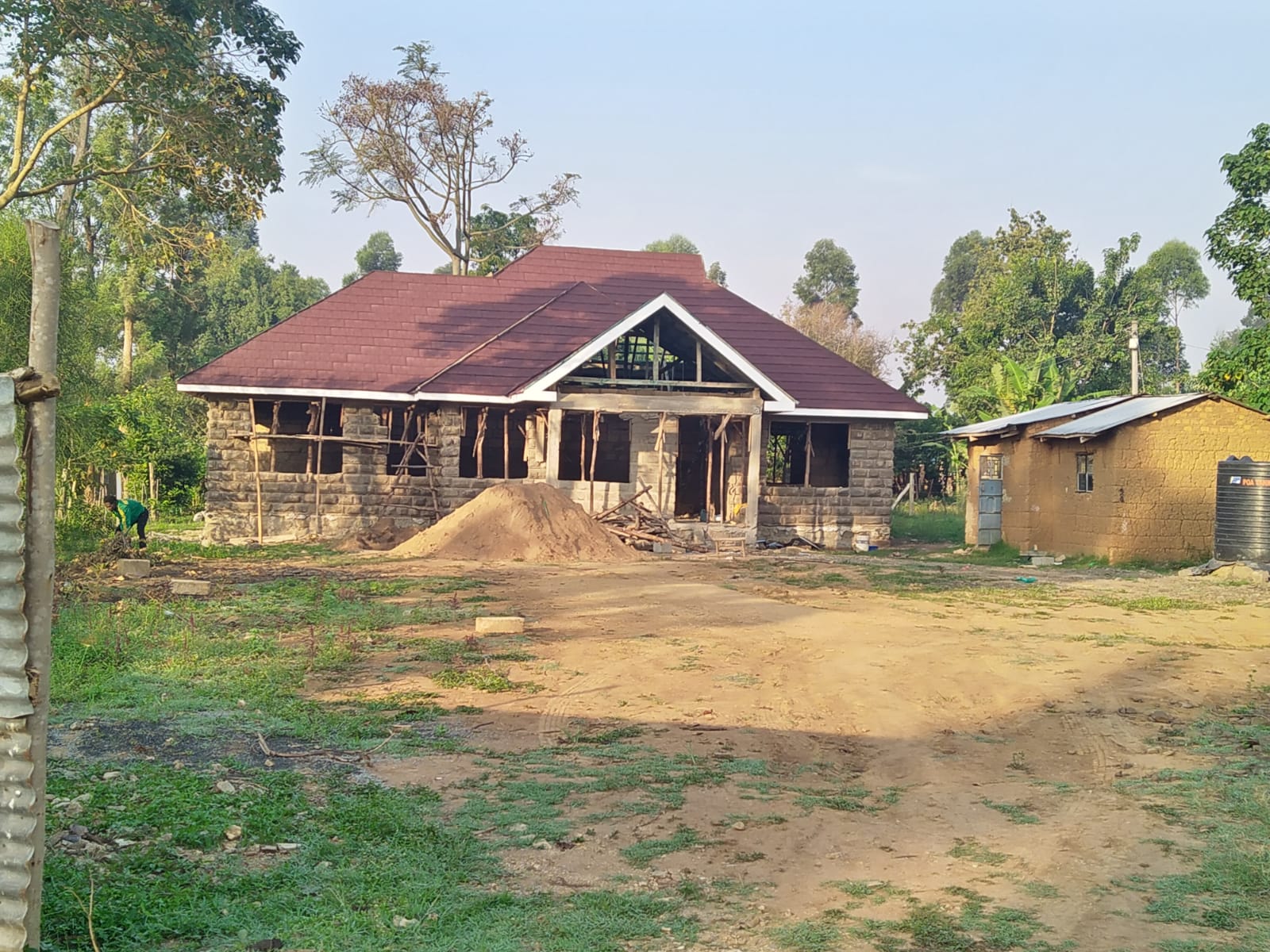
Decra is a branded form of stone-coated steel roofing. It combines a steel core with a bonded layer of stone chips, offering a premium finish that mimics traditional tiles but with lighter weight and enhanced performance.
Cost Per Square Meter
- Decra roofing: KSh 2,000 – KSh 3,500+ per m²
Final pricing depends on profile style, thickness, and supplier.
Comparison with Mabati (Durability vs Price)
- Durability: Decra lasts significantly longer than standard mabati, with superior resistance to corrosion, wind, and impact.
- Price: Decra is considerably more expensive than mabati, roughly 2–4× the per square meter cost.
- Appearance: Decra has a more refined, premium look suitable for high-end homes.

Advantages
- Excellent longevity (often 30+ years with proper maintenance)
- Better thermal performance than plain mabati
- Attractive finish that enhances property aesthetics
- Strong resistance to harsh weather
Limitations
- Higher upfront cost
- Requires skilled installation
- Heavier than standard mabati (but lighter than clay tiles)
Tile Roofing Costs
Types of Tiles
- Concrete Tiles: Durable and cost-effective
- Clay Tiles: Traditional aesthetic and excellent insulation
- Interlocking Tiles: Easier installation and tighter fit
Per Square Meter Cost Range
- Concrete tiles: KSh 1,500 – KSh 2,500 per m²
- Clay tiles: KSh 2,000 – KSh 3,500+ per m²
- Interlocking tiles: KSh 1,800 – KSh 3,000+ per m²
Prices vary by tile quality, thickness, and supplier.

Aesthetic and Functional Benefits
- Offers a classic, premium look
- Strong resistance to fire and UV damage
- Better insulation than metal roofing
- Available in a range of colours and finishes
Tile Roofing Lifespan Considerations
- Well-installed tile roofs often last 30–50+ years
- Concrete tiles tend to be very durable and low-maintenance
- Clay tiles have excellent longevity but require stronger roof framing due to weight
- Periodic checks help prevent cracked or slipped tiles over time
Labor Costs
When budgeting for a new roof or roof replacement in Kenya, labor charges often make up a significant portion of the total cost. Knowing typical rates and how complexity affects pricing helps you plan more accurately.
Labour charges in Kenya vary based on location, contractor experience, and site conditions. As a general guide:
- Standard roof installation: KSh 600 – KSh 1,200 per m²
- Complex roof structures: KSh 900 – KSh 1,800+ per m²
These rates usually cover basic installation work including laying material, fasteners, and standard edging. Final pricing may differ depending on contractor reputation, warranties offered, and current market demand for skilled roofers.
How Complexity Affects Labor Cost
Several elements influence how much labour will cost:
Roof Pitch
- Steeper roofs take longer to work on and require more safety measures.
- Labour costs can increase by 10–30% for high-pitched roofs.
Roof Height
- Higher roofs may need more safety equipment and longer setup time.
- Added height often increases cost due to extra time and risk.
Scaffolding and Safety
- For multi-level or tall structures, scaffolding is required.
- Rental and setup fees for scaffolding add directly to labour expenses.
Timber Structure Costs (Roof Frame)
A strong, well-built roof frame is the backbone of any roofing system. Poor quality timber or incorrect spacing can compromise the entire roof’s performance.
The timber structure (often called the roof frame or trusses) supports the roofing material and must be:
- Durable to handle load and climatic conditions
- Straight and accurately joined to prevent leaks and misalignment
- Pest-treated to resist termites and decay

Timber pricing can vary regionally and with market supply. Typical estimates:
- Untreated timber: KSh 150 – KSh 350 per board foot
- Treated timber: KSh 300 – KSh 600+ per board foot
Equivalent cost per square meter of roof area (timber frame only):
- Standard pitch roof framing: KSh 800 – KSh 1,500 per m²
- Complex truss systems: KSh 1,500 – KSh 2,500+ per m²
These figures include timber, cutting, fastening, and basic installation labour.
Hidden & Additional Costs to Budget For
Roofing projects often involve expenses beyond material and installation costs. Factoring in these additional costs helps prevent budget overruns.
Waste and Breakage Allowance
- Roofing materials require cutting and fitting, leading to inevitable wastage.
- Typical wastage allowance: 5–10% of total material quantity
- Higher allowances may apply for complex roof designs
- Planning for waste ensures sufficient materials and avoids mid-project delays
Transport and Delivery Charges (Especially for Remote Areas)
- Delivery fees vary depending on distance from suppliers
- Urban areas often have lower transport costs
- Remote or hard-to-access sites may incur additional logistics fees
- Bulk material deliveries can sometimes reduce transport expenses
Fasteners, Ridge Caps, Flashings, and Gutters
These components are essential for a fully functional and weatherproof roof:
- Fasteners: Screws or nails that secure roofing sheets
- Ridge caps: Cover roof peaks to prevent water ingress
- Flashings: Metal strips that seal joints and prevent leaks
- Gutters: Manage rainwater and protect foundations
Budgeting for these items is crucial, as they are often excluded from basic material quotations.
Permits, Inspections, and Roof Waterproofing Solutions
Depending on local regulations:
- Some projects may require building permits
- Inspections can be mandatory for compliance
- Waterproofing membranes or treatments enhance durability
- Waterproofing is highly recommended in areas with heavy rainfall
These costs improve long-term performance and compliance with construction standards.
Weather Delays and Site Preparation
Weather conditions can impact project timelines:
- Heavy rain may halt installation work
- Site preparation (clearing and leveling) may be required
- Delays can increase labour costs and extend schedules
Planning work during dry seasons can reduce weather-related disruptions.
Cost Comparison Table
Below is an indicative cost comparison for common roofing options in Kenya (per square meter estimates):
| Roofing Material | Material Cost (KSh/m²) | Labour (KSh/m²) | Total Estimate (KSh/m²) | Durability |
|---|---|---|---|---|
| Mabati (Standard) | 400 – 800 | 600 – 1,200 | 1,000 – 2,000 | Moderate |
| Mabati (Premium) | 800 – 1,200 | 600 – 1,200 | 1,400 – 2,400 | Good |
| Decra | 2,000 – 3,500+ | 900 – 1,800 | 2,900 – 5,300+ | Excellent |
| Concrete Tiles | 1,500 – 2,500 | 900 – 1,800 | 2,400 – 4,300 | Excellent |
| Clay Tiles | 2,000 – 3,500+ | 1,000 – 2,000 | 3,000 – 5,500+ | Very High |
Notes:
- Costs vary by location, contractor, and material quality
- Complex designs may increase labour expenses
- Transport and additional components are not always included in basic quotes
Tips to Save on Roofing Costs
Roofing projects can be expensive, but smart planning and procurement strategies help reduce overall expenses without compromising quality.
Bulk Buying Materials
- Purchasing materials in bulk often attracts discounts from suppliers
- Bulk orders reduce delivery costs and ensure material consistency
- Coordinate with contractors to estimate accurate quantities and avoid over-purchasing
- Consider group purchases with neighbours or developers for better pricing
Hiring Reputable but Cost-Effective Labor
- Experienced labour reduces installation errors and future repair costs
- Compare multiple contractor quotations before hiring
- Avoid extremely cheap labour that may compromise quality
- Check references and previous projects for reliability
- Professional installers often work faster and more efficiently
A well-balanced approach—quality labour at fair rates—delivers long-term value.
Seasonal Pricing Strategies
Roofing material prices and contractor availability fluctuate by season:
- Dry seasons often see higher demand and pricing
- Off-peak periods may offer better contractor availability and discounts
- Planning projects during low-demand periods can reduce costs
- Weather-friendly scheduling minimises delays and extra labour charges
Timing your project strategically can lead to significant savings.
Warranty and Supplier Bargaining Tips
- Choose suppliers offering product warranties
- Warranties protect against manufacturing defects and premature failures
- Negotiate pricing for large or repeat purchases
- Request discounts on accessories when buying main materials
- Compare supplier quotations before making decisions
Good suppliers often provide flexible pricing and support services.
Professional Roofing Support
For expert installation and cost-effective roofing solutions in Kenya, consider working with trusted professionals. A reliable roofing contractor helps optimise material usage, ensures compliance with building standards, and delivers durable results. One recommended service provider is Khatet Roofing Services Kenya, known for professional installation and quality workmanship.