Choosing the right roofing material is a major decision for property owners in Kenya. Roofing affects durability, aesthetics, energy efficiency, and long-term maintenance costs. Two popular options in the Kenyan market are Mabati (steel roofing sheets) and Decra roofing tiles. Mabati vs Decra Roofing is a common comparison homeowners make when deciding which option best suits their budget, climate, and design preferences.
Mabati Roofing
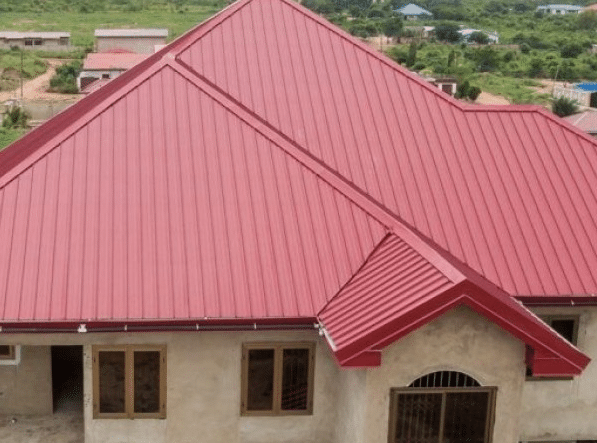
Mabati is a lightweight metal roofing solution designed for residential, commercial, and industrial structures. It comes in different profiles and thicknesses, allowing customization based on budget and durability requirements.
Decra Roofing
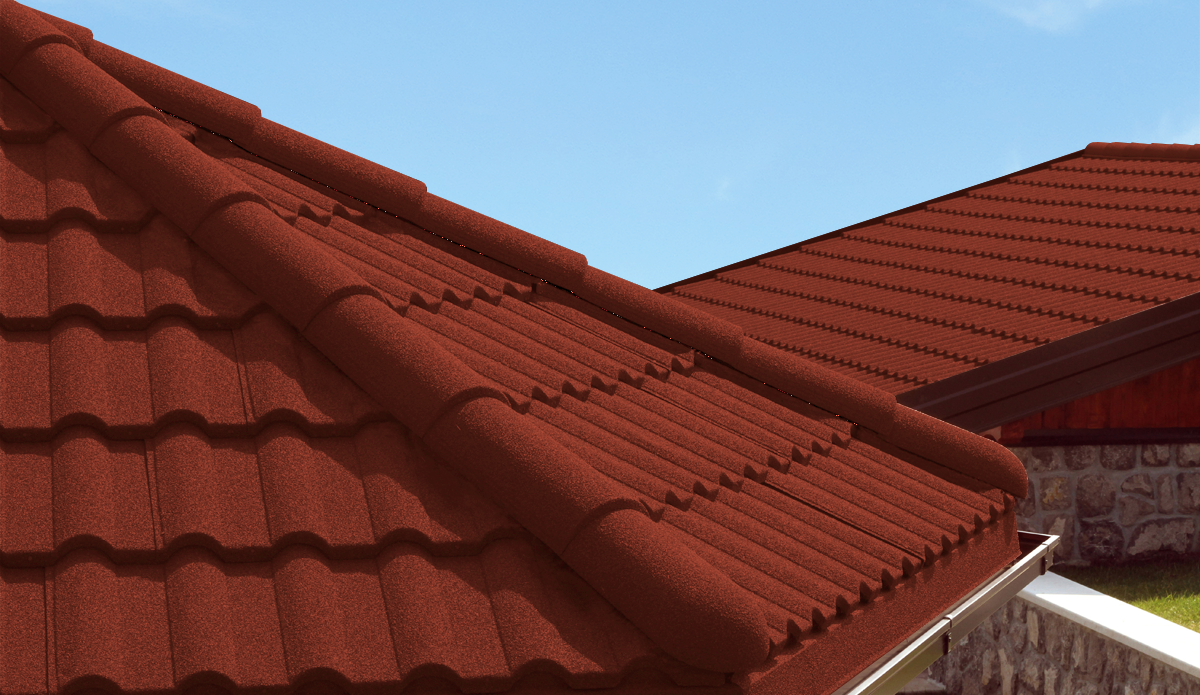
Decra roofing is a premium, stone-coated steel roofing system designed to combine the strength of metal with the aesthetic appeal of traditional roof tiles. It is engineered for durability, weather resistance, and long-lasting performance, making it a top choice for homeowners seeking both functionality and style.
Its combination of strength and style makes it a preferred choice for homeowners who want a roof that stands the test of time and enhances the curb appeal of their property.
Mabati vs Decra Roofing
Cost Comparison
When choosing between mabati roofing and Decra roofing, cost is often one of the first considerations for homeowners and builders. While both offer strong roofing solutions, their pricing structures differ significantly.
Initial Purchase Cost
Mabati Roofing:
Mabati is generally more affordable upfront. The raw material (steel or aluminum sheets) and manufacturing process are simpler, which keeps the price per square meter relatively low compared to premium roofing materials.
- Estimated Cost (Kenya):
- Ordinary galvanized mabati: KSh 450 – 700 per m²
- Pre-painted mabati: KSh 600 – 900 per m²
- Premium gauge/box profile mabati: KSh 800 – 1,200 per m²
This makes mabati a popular choice for budget-conscious homeowners and large-scale projects.
Decra Roofing:
Decra roofing has a higher initial purchase cost due to its advanced stone-coated steel technology and premium finish. The materials are engineered for enhanced durability and aesthetics, which contributes to a higher price tag.
- Estimated Cost (Kenya):
- Stone-coated (Decra-type) tiles: KSh 1,800 – 3,000 per m²
While the price is significantly higher than mabati, it reflects the premium design and long lifespan.
Installation Expenses
Mabati Roofing:
Installation costs for mabati are typically lower because the sheets are lightweight, easy to transport, and quicker to install. Local roofers are very familiar with mabati systems, which also helps reduce labor costs.
- Estimated Installation Cost:
- KSh 300 – 600 per m²
Decra Roofing:
Installing Decra requires specialized skills and precision to ensure proper alignment, sealing, and fastening. This can make labor costs higher, especially if experienced or certified installers are used.
- Estimated Installation Cost:
- KSh 600 – 1,000 per m²
Long-Term Value
Mabati Roofing:
While cheaper initially, mabati may require more frequent maintenance over time, such as repainting or replacing corroded sheets, especially in coastal or high-humidity areas. Maintenance and repainting can cost KSh 200 – 400 per m² every few years, depending on the condition.
Decra Roofing:
Although the upfront cost is higher, Decra roofing offers excellent long-term value due to its extended lifespan (often 30–50 years) and lower maintenance requirements. Its durability can translate to significant savings over 10–20 years or more, particularly in areas with heavy rain or strong sun exposure.
Overall Cost Comparison Example (100 m² Roof)
- Mabati Total Estimate (materials + installation):
Approx. KSh 75,000 – 180,000 - Decra Total Estimate (materials + installation):
Approx. KSh 240,000 – 400,000
Factors Affecting Pricing
Several factors influence the overall cost of roofing materials and installation:
- Material grade and thickness
- Roof size and complexity
- Transportation costs
- Local labor rates
- Warranty and manufacturer support
- Additional accessories (ridge caps, fasteners, insulation)
Durability and Lifespan
Mabati roofing typically offers a lifespan of 10–20 years, depending on the material quality and environmental conditions. Thicker gauge sheets with protective coatings tend to last longer. Regular maintenance — such as repainting and checking for rust — can also extend its life.
Decra roofing is known for its long lifespan, often 25–50 years or more. The stone-coated steel technology provides excellent resistance to wear and tear, making it one of the more durable roofing systems available in the Kenyan market.
Resistance to Weather Conditions
- Mabati Roofing:
Performs well under general weather conditions but can be susceptible to rust and corrosion in coastal regions or areas with high humidity unless properly coated and maintained. - Decra Roofing:
Exceptional performance against heavy rain, high winds, and UV exposure. The stone coating adds a protective layer that resists impact from hail and debris, making it suitable for varied climates.
Corrosion and Maintenance Considerations
- Mabati Roofing:
- May require periodic repainting or recoating to prevent rust.
- Regular inspections are important in coastal or rainy regions.
- Fasteners and edges should be checked to avoid water ingress.
- Decra Roofing:
- Very low maintenance compared to standard steel sheets.
- Stone coating helps prevent corrosion and fading.
- Occasional cleaning and inspections are enough to preserve its appearance and performance.
Aesthetic Appeal and Design Options
Mabati roofing offers a functional and clean look that is widely used across Kenya. While traditionally associated with simple corrugated profiles, modern mabati comes in various shapes and finishes that improve its visual appeal.
Decra roofing is designed to mimic the look of traditional roof tiles. Its stone-coated surface gives it a textured and upscale appearance, making it stand out compared to plain metal sheets. The result is a roof that looks elegant and refined, similar to clay or concrete tiles, but with the strength and performance advantages of steel.
Installation Process
One of the key advantages of mabati roofing is its straightforward installation process. Because the sheets are lightweight and flexible, roofers can install them quickly. This often results in lower labor costs and a faster turnaround time compared to heavier roofing materials.
Decra roofing requires more precision and expertise during installation. Although the panels may look like tiles, they are installed as interlocking metal sheets, which must be aligned correctly to ensure proper sealing and water runoff. This is why many homeowners choose professional installers who are experienced with Decra systems.
Maintenance Requirements
Mabati roofing is generally low-maintenance, but it still requires regular attention to stay in good condition. Because mabati is made from metal, it can be prone to rust and corrosion over time—especially in coastal or high-humidity areas.
Key mabati maintenance needs:
- Periodic inspections for rust spots, loose fasteners, and damaged paint
- Repainting or recoating every few years to protect against corrosion
- Checking edge flashings and sealants to prevent water ingress
- Replacing any dented or severely corroded sheets promptly to avoid leaks
Decra roofing is known for its durability and low upkeep. The stone-coated steel finish helps protect it from rust, fading, and impact, reducing the amount of routine maintenance needed.
Typical Decra maintenance includes:
- Occasional cleaning of debris, leaves, and moss (especially under shaded trees)
- Periodic inspections to ensure flashings, ridges, and valleys are intact
- Minor touch-ups if stone granules wear in isolated spots
Climate Suitability in Kenya
Kenya’s varied climate — from the coastal humidity to the cooler highlands — affects how roofing materials perform. Choosing the right material means considering heat, rain, wind, and noise.
Performance of Mabati in Different Climates
- Hot and Dry Areas:
Mabati performs well but can become hot underneath if not paired with good insulation. - Rainy Regions:
With proper coating and maintenance, mabati sheds water efficiently, but moisture can accelerate corrosion if protective layers wear down. - Coastal Areas:
Salt air and humidity can cause faster rusting unless high-quality coated mabati and regular maintenance are used.
Performance of Decra in Hot and Rainy Conditions
Decra roofing performs exceptionally well in Kenya’s diverse climates:
- Hot Weather:
The stone coating reflects heat better than plain metal sheets, helping reduce interior temperatures when paired with insulation. - Rainy Seasons:
Decra’s interlocking design and durable coating provide excellent water shedding and resistance to intense tropical rains common in equatorial regions.
Heat Insulation Properties
- Mabati Roofing:
Metal conducts heat quickly, which can make interiors warmer without additional insulation materials. Adding insulation or reflective underlays can significantly improve comfort. - Decra Roofing:
The stone-coated surface combined with its profile helps interrupt direct heat transfer, and when paired with insulation, Decra provides better thermal performance than plain mabati.
Noise Considerations During Rain
- Mabati:
Metal roofing is known to amplify rain noise. Heavy downpours can produce a loud sound on the roof deck unless acoustic insulation is added. - Decra:
The stone surface and profile help dampen rain noise, making it quieter and more comfortable inside during storms.
In conclusion,
Mabati vs Decra Roofing – Which Is Better? ultimately depends on your budget, design preferences, and long-term goals. Mabati is an excellent choice for homeowners looking for affordability, quick installation, and practical performance. On the other hand, Decra roofing stands out for its premium appearance, superior durability, and long-term value with minimal maintenance.
If you’re unsure which option best suits your property, consulting professionals can help you make the right investment decision. For expert advice, quality workmanship, and reliable roofing solutions across Kenya, consider Khatet Roofing Services Kenya to guide you from material selection to professional installation.