
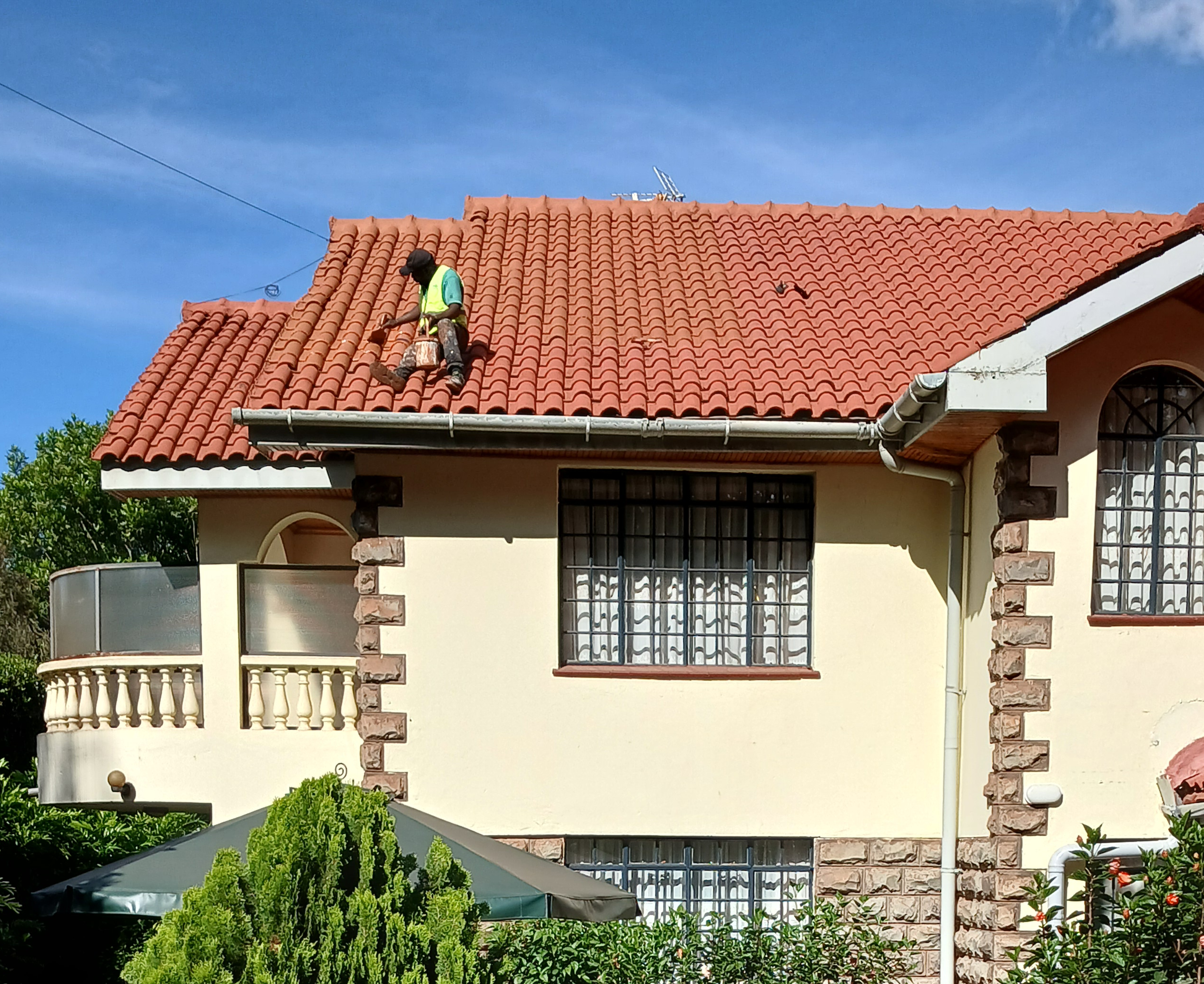
Roof Inspection Checklist for Homeowners
Routine inspections help homeowners identify small problems before they escalate. Checking for damaged shingles, loose flashing, and clogged gutters allows you to address issues early, preserving the integrity of your roof and home. A simple inspection performed a few times a year—especially after storms—can significantly extend the lifespan of your roofing system and prevent unexpected expenses.
This checklist will guide homeowners on what to inspect and how to spot potential issues before they become major problems.
Why Roof Inspections Matter
Roof inspections are not just about spotting visible damage; they play a crucial role in maintaining the overall health of your home.
Detecting Early Signs of Damage
Small problems such as cracked shingles, minor leaks, or deteriorating flashing may not seem serious at first. However, these issues can worsen over time, leading to water infiltration and structural damage. Regular inspections allow homeowners to detect and fix problems early.
Extending Roof Lifespan
A well-maintained roof lasts longer. Cleaning debris, repairing minor damages, and addressing wear and tear help prevent premature deterioration. By keeping your roof in good condition, you maximize its lifespan and delay the need for a costly replacement.
Protecting Home Structure and Interiors
Roof damage can allow water to seep into your home, affecting ceilings, walls, and insulation. Moisture buildup can lead to mold growth and compromise structural components. Routine inspections help protect your property and indoor environment.
Saving Money on Major Repairs
Minor repairs are far more affordable than major restorations. Addressing small issues promptly prevents them from escalating into expensive problems. Investing time in inspections ultimately saves money and reduces the risk of unexpected repair costs.
Roof Inspection Checklist (Step-by-Step)
A thorough roof inspection helps homeowners identify potential problems before they become costly repairs. Use this step-by-step checklist to evaluate different areas of your roof.
Exterior Roof Inspection
Shingles
Shingles protect your roof from water and weather damage. Check for:
- Cracks or broken pieces
- Curling or lifting edges
- Missing shingles
- Discoloration or excessive wear
Damaged shingles should be repaired or replaced promptly to prevent leaks.
Flashing
Flashing seals roof joints around chimneys, vents, and skylights. Inspect for:
- Rust or corrosion
- Gaps between flashing and the roof
- Loose or bent sections
- Signs of water seepage
Faulty flashing is a common source of leaks and should be fixed immediately.
Gutters
Gutters direct water away from your home. Ensure they are:
- Free of leaves and debris
- Properly attached and not sagging
- Draining water effectively
- Without cracks or leaks
Clogged gutters can cause water overflow, damaging your roof and foundation.
Roof Valleys
Roof valleys channel rainwater away from the structure. Check for:
- Debris buildup
- Signs of water pooling
- Damaged or missing shingles
- Proper water flow
Valleys are high-risk areas for leaks and should be inspected carefully.
Chimney Area
The chimney connection is vulnerable to weather damage. Inspect for:
- Cracks in masonry
- Damaged seals around flashing
- Loose bricks
- Water stains
Sealing gaps around the chimney helps prevent moisture infiltration.
Roof Surface Condition
Algae, Moss, or Mold Growth
Organic growth retains moisture and can damage roofing materials. Look for:
- Green or dark patches
- Moss buildup between shingles
- Damp areas on the roof surface
Removing growth prevents deterioration and extends roof life.
Sagging or Uneven Surfaces
A sagging roof may indicate structural issues. Check for:
- Depressed or uneven areas
- Water accumulation
- Weak support structures
Sagging should be evaluated by a professional to determine underlying causes.
Granule Loss on Asphalt Shingles
Asphalt shingles shed granules over time. Signs of granule loss include:
- Granules in gutters
- Bare spots on shingles
- Fading or thinning surfaces
Excessive granule loss reduces shingle effectiveness and may require replacement.
Punctures or Visible Holes
Roof punctures allow water to enter your home. Inspect for:
- Small holes or tears
- Damaged areas from debris
- Light passing through roof boards
Even small punctures should be repaired quickly to prevent leaks.
Roof Edges and Eaves
Damage to Fascia and Soffits
Fascia and soffits protect roof edges and ventilation. Look for:
- Cracks or peeling paint
- Water stains
- Loose or rotting sections
Damaged fascia and soffits should be repaired to maintain structural integrity.
Loose or Rotting Wood
Wood deterioration weakens roof support. Check for:
- Soft or crumbling wood
- Discoloration
- Signs of moisture damage
Replacing rotten wood prevents further structural issues.
Signs of Pest Infestation
Pests can damage roofing materials and insulation. Watch for:
- Nesting materials
- Chewed wood or insulation
- Droppings
- Small entry holes
Pest problems should be addressed promptly to avoid extensive damage.
Interior Roof Inspection (Attic and Ceiling)
Inspecting the interior of your roof—particularly the attic and ceilings—helps detect hidden problems before they escalate. Many roof issues start internally, making these checks essential for homeowners.
Water Stains on Ceilings
Brown or yellow stains on ceilings often indicate water intrusion. Look for:
- Discolored patches
- Peeling paint
- Bubbling drywall
- Stains that expand after rain
Water stains suggest a leak that should be investigated promptly.
Damp Insulation or Mold Growth
Moisture in the attic can damage insulation and encourage mold. Check for:
- Wet or clumped insulation
- Musty odors
- Visible mold spots
- Condensation on surfaces
Mold growth affects indoor air quality and should be addressed immediately.
Daylight Coming Through Roof Boards
If you see light shining through roof boards in the attic, there may be gaps or holes. These openings allow water and pests inside. Any visible daylight should be inspected and repaired.
Signs of Leaks After Rainfall
Leaks often appear after heavy rain. Watch for:
- Dripping water
- Wet insulation
- Streaks on walls
- Pooled water in the attic
Identifying leaks early prevents structural damage and costly repairs.
Proper Attic Ventilation
Good ventilation regulates temperature and moisture levels. Check for:
- Vent openings free of blockages
- Airflow throughout the attic
- Excess heat or humidity
- No signs of condensation
Poor ventilation can shorten roof lifespan and encourage mold growth.
Best Time to Inspect Your Roof
Regular inspections help homeowners catch problems early, but timing matters. Certain periods and conditions are ideal for checking your roof’s condition.
After Heavy Rains and Storms
Severe weather can loosen shingles, damage flashing, and create hidden leaks. After storms, inspect for missing materials, water stains, or debris accumulation. Early detection prevents water damage and costly repairs.
During Seasonal Changes
Transitions between dry and rainy seasons often expose roofing vulnerabilities. Heat expansion and moisture can affect materials over time. Inspecting at seasonal changes helps identify wear before extreme weather arrives.
At Least Twice a Year (Recommended)
A biannual inspection—preferably in the dry season and before heavy rains—ensures your roof remains in good condition. Regular checks extend lifespan and reduce unexpected maintenance costs.
Signs That Require Immediate Inspection
Certain warning signs indicate urgent problems:
- Water stains on ceilings or walls
- Missing, cracked, or curling shingles
- Sagging roof sections
- Granules collecting in gutters
- Daylight visible through roof boards
- Unusual mold or moisture buildup
If you notice any of these issues, schedule an inspection promptly to prevent further damage.
Roof Inspection Safety Tips
DIY roof inspections are helpful, but safety should always come first. Follow these precautions to avoid accidents and injuries.
Use a Stable Ladder and Proper Footwear
Always use a sturdy ladder placed on level ground. Wear non-slip shoes to prevent slipping. If possible, have someone assist you by holding the ladder for extra stability.
Avoid Walking on Steep or Wet Roofs
Steep roofs are dangerous to walk on without proper equipment. Wet surfaces increase the risk of falls. If your roof is steep or slippery, inspect from the ground using binoculars or hire a professional.
Consider Professional Inspections for High or Complex Roofs
Multi-story homes and complex roofing designs require expertise. Professional inspectors can safely assess hard-to-reach areas and provide detailed reports on potential issues.
Safety Precautions for DIY Inspections
- Do not inspect during bad weather
- Avoid stepping on weak or damaged sections
- Keep tools in a tool belt to maintain balance
- Use a harness if necessary
- Do not inspect alone if possible
When to Call a Professional Roofer
While homeowners can conduct basic inspections, some problems require expert assistance.
Extensive Water Damage
Large stains, mold growth, or widespread dampness suggest significant leaks. Professional repair prevents further damage.
Major Missing Shingles
Large sections of missing shingles expose your roof to weather damage. A roofer can replace materials and restore protection.
Structural Concerns
Sagging roofs or weakened supports may indicate serious issues. Professional assessment ensures safe and effective repairs.
Post-Storm Damage
Storms can dislodge shingles and damage flashing. After severe weather, schedule an inspection to identify hidden problems.
Uncertainty About DIY Findings
If you are unsure about your inspection results, consult a professional. Expert evaluations provide clarity and prevent costly mistakes.
Maintenance Tips
Regular maintenance helps extend your roof’s lifespan and prevents costly repairs. Small preventive actions can significantly reduce the risk of leaks and structural damage.
Regular Gutter Cleaning
Clogged gutters cause water overflow and damage to your roof and foundation. Keep gutters clean by:
- Removing leaves and debris
- Checking for proper water drainage
- Ensuring downspouts direct water away from the home
- Cleaning gutters at least twice a year
Well-maintained gutters help prevent roof leaks and water damage.
Trimming Overhanging Tree Branches
Tree branches can scratch roofing materials and drop debris. To protect your roof:
- Trim branches that touch or hang over the roof
- Remove dead or weak limbs
- Prevent leaves from accumulating on the roof
- Maintain a safe distance between trees and the roof
This reduces the risk of damage and keeps gutters clear.
Scheduling Professional Inspections
Professional roof inspections identify hidden issues that homeowners may miss. Benefits include:
- Expert evaluation of roof condition
- Early detection of damage
- Detailed maintenance recommendations
- Prevention of major repairs
Annual professional inspections help maintain roof health and longevity.
Applying Protective Roof Treatments (If Applicable)
Some roofing materials benefit from protective treatments. These treatments can:
- Reduce algae and moss growth
- Improve weather resistance
- Extend material lifespan
- Enhance roof appearance
If you need assistance, Khatet professional roofing services can provide thorough inspections and expert repairs to keep your roof in excellent condition. Investing in preventive care ensures peace of mind and protects your home for years to come.