
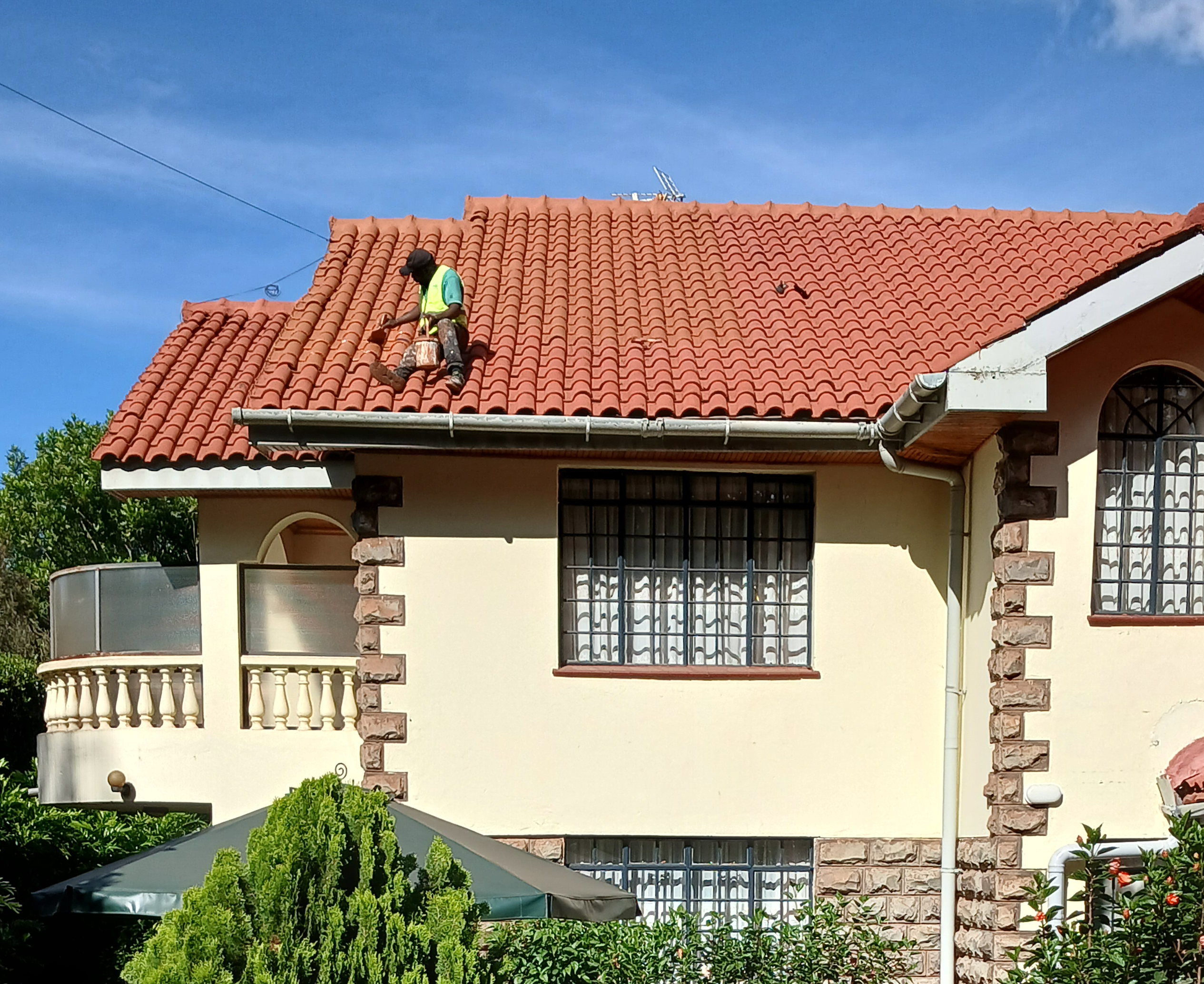
Tile roofing is a durable roofing system made from interlocking tiles that are typically crafted from clay, concrete, or ceramic materials. These tiles are designed to provide strong weather resistance, aesthetic appeal, and long-term durability, making them a popular choice for residential and commercial properties.
Materials Used in Tile Roofing
Tile roofs are manufactured using different raw materials, each offering unique advantages:
- Clay Tiles – Made from natural clay and fired in kilns, these tiles are highly durable and resistant to fading. They offer a classic, earthy appearance that complements traditional and modern architectural styles.
- Concrete Tiles – Produced from a mixture of cement and sand, concrete tiles are cost-effective and highly versatile. They can be molded into various shapes and colors to suit different design preferences.
- Ceramic Tiles – Similar to clay but often glazed for enhanced durability and aesthetic variety, ceramic tiles resist moisture and weather-related damage.
Types of Tile Roofs
Tile roofing systems come in several styles:
- Interlocking Tiles – Designed to fit together seamlessly, these tiles enhance water resistance and structural stability.
- Flat Tiles – Provide a sleek and modern look, often used in contemporary architectural designs.
- Pantile Tiles – Characterized by a wavy profile, pantiles improve water drainage and add a traditional aesthetic.
- Mission or Barrel Tiles – Cylindrical in shape, these tiles are common in Mediterranean-style roofing and enhance airflow and insulation.
Common Applications in Kenyan Homes
Tile roofing is widely used across various regions of Kenya due to its durability and visual appeal. It is particularly popular in:
- Residential homes seeking long-lasting and low-maintenance roofing solutions.
- Modern villas and townhouses where aesthetics and thermal performance matter.
- Areas with heavy rainfall, as tile roofs efficiently channel water away.
- Developments aiming for energy efficiency, since tile roofs help regulate indoor temperatures.
Tile roofing remains a preferred choice for homeowners who value durability and architectural elegance. Its ability to withstand harsh weather conditions while maintaining aesthetic appeal makes it a strong contender in roofing solutions across Kenya.
Shingle Roofing
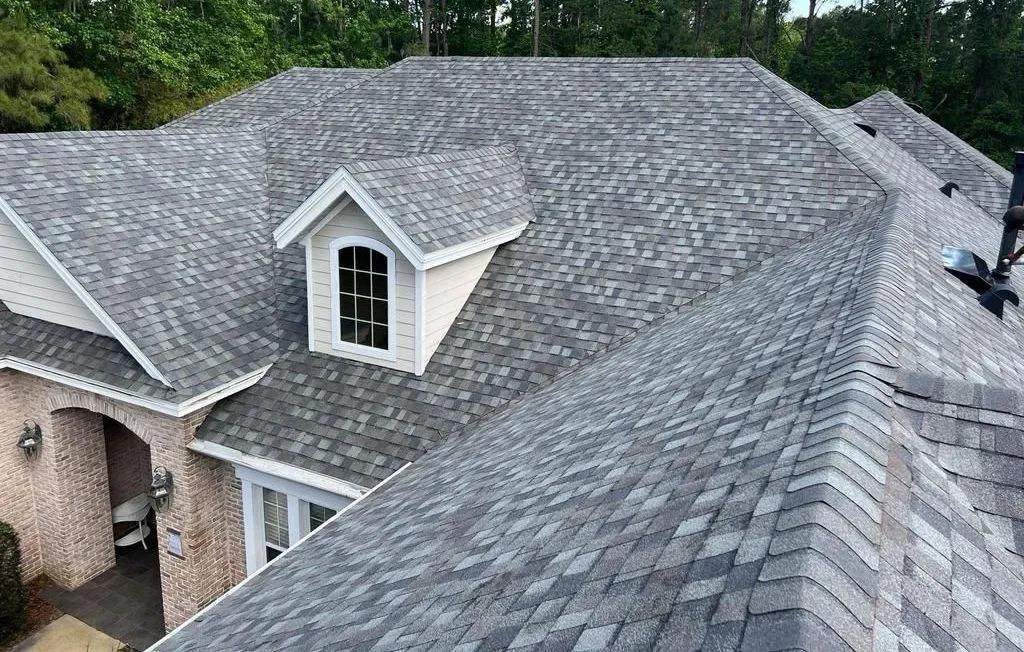
Shingle roofing is a lightweight and versatile roofing system made from overlapping individual shingles that provide weather protection and aesthetic appeal. It is widely used in modern residential construction due to its affordability, ease of installation, and design flexibility.
Materials Used
Shingle roofs consist of small, flat pieces of material that are layered to create a waterproof barrier. These shingles are designed to shed water efficiently while offering a variety of textures and colors to match different architectural styles. Unlike tile roofs, shingles are generally lighter, making them suitable for structures that require reduced roof load.
Types of Shingles
Shingle roofing is available in several material options, each with distinct advantages:
- Asphalt Shingles
- The most common and affordable type of shingle roofing.
- Made from asphalt-coated fiberglass or organic materials.
- Provides good weather resistance and ease of installation.
- Available in various colors and styles to complement modern home designs.
- Composite Shingles
- Manufactured from synthetic materials that mimic the appearance of wood or slate.
- Highly durable and resistant to extreme weather conditions.
- Low maintenance and long-lasting, making them a cost-effective option.
- Fiberglass Shingles
- A subtype of asphalt shingles reinforced with fiberglass for added strength.
- Lightweight and fire-resistant.
- Offers enhanced durability compared to traditional organic shingles.
Popularity in Modern Housing
Shingle roofing has gained significant popularity in modern residential developments due to its:
- Cost-effectiveness compared to traditional tile roofing.
- Quick and straightforward installation process.
- Wide variety of styles that suit contemporary architectural trends.
- Lightweight structure, reducing the need for heavy roof support.
- Adaptability to different climate conditions.
Homeowners seeking an affordable and stylish roofing solution often choose shingle roofs for their blend of functionality and aesthetic appeal. In regions with diverse housing developments, shingle roofing remains a practical option for modern construction.
Key Differences Between Tile Roofing and Shingle Roofing
Choosing between tile roofing and shingle roofing depends on factors such as durability, weather performance, and aesthetic preferences. Understanding the key differences helps homeowners and builders select the most suitable roofing solution.
Durability and Lifespan
- Tile Roofing
- Highly durable and can last 50–100 years with proper maintenance.
- Resistant to rot, insects, and general wear.
- Clay and concrete tiles retain structural integrity for decades.
- Shingle Roofing
- Typically lasts 15–30 years, depending on material quality.
- Asphalt shingles may degrade faster in extreme weather conditions.
- Composite and fiberglass shingles offer improved longevity.
Tile roofs generally outlast shingles, making them a long-term investment, while shingle roofs provide an affordable solution with moderate lifespan expectations.
Weather Resistance (Rain, Heat, and Wind)
- Tile Roofing
- Excellent resistance to heavy rainfall due to effective water shedding.
- Performs well in hot climates by reducing heat absorption.
- Strong resistance to wind when properly installed.
- Shingle Roofing
- Provides good water resistance but may be prone to water damage if installation is poor.
- Asphalt shingles can soften in extreme heat over time.
- High-quality shingles withstand moderate wind conditions.
Tile roofing excels in harsh weather environments, while shingles require proper installation and maintenance to maximize performance.
Weight and Structural Considerations
- Tile Roofing
- Heavier than shingles and may require reinforced structural support.
- Not all buildings can accommodate tile roofing without modifications.
- Shingle Roofing
- Lightweight and suitable for most residential structures.
- Does not require extensive roof reinforcement.
Homeowners must assess structural capacity before installing tile roofing, whereas shingles are easier to implement on standard buildings.
Aesthetic Appeal and Design Options
- Tile Roofing
- Offers a traditional and premium architectural appearance.
- Available in various shapes and colors for customization.
- Complements both modern and classic designs.
- Shingle Roofing
- Provides diverse color and texture options.
- Suits contemporary housing styles.
- Offers flexibility in design without a heavy structural look.
Tile roofing is often preferred for its timeless elegance, while shingle roofing provides modern versatility and design adaptability.
Maintenance Requirements
- Tile Roofing
- Low maintenance and resistant to common roofing issues.
- Individual tiles can be replaced if damaged.
- Shingle Roofing
- Requires periodic inspection for wear and tear.
- Shingles may need replacement after severe weather exposure.
Tile roofs generally require less frequent maintenance, whereas shingle roofs benefit from routine inspections to prolong lifespan.
Both roofing options have distinct advantages. Tile roofing prioritizes durability and long-term performance, while shingle roofing offers affordability and design flexibility. The best choice depends on budget, structural considerations, and aesthetic preferences.
Cost Comparison in Kenya
When choosing between tile and shingle roofing in Kenya, understanding the cost implications is crucial for making a financially sound decision. Costs can vary widely based on material quality, availability, and labor.
Initial Installation Costs
- Tile Roofing
- Generally has a higher upfront cost due to the price of tiles and the labor-intensive installation process.
- Clay and concrete tiles imported or locally manufactured may differ in price, but overall tile roofing tends to be more expensive than shingle roofing.
- Additional structural support might be needed because of the heavier weight, increasing installation costs further.
- Shingle Roofing
- Typically more affordable initially, especially when using asphalt or fiberglass shingles.
- Easier and faster to install, which reduces labor costs.
- Ideal for homeowners with tight budgets or those looking for cost-effective roofing solutions.
Long-Term Value and Maintenance Expenses
- Tile Roofing
- Offers strong long-term value due to its extended lifespan and low maintenance needs.
- Although repair or replacement of individual tiles may be needed occasionally, overall costs over the years are lower compared to frequent shingle replacements.
- Shingle Roofing
- Requires more regular maintenance and periodic replacement, especially in harsh weather zones.
- Over the long term, these recurring costs can add up, potentially making shingles less economical in the long run.
Installation and Maintenance
Roofing installation and upkeep significantly affect durability and long-term performance. Tile and shingle roofing differ in installation complexity and maintenance needs.
Ease of Installation
- Tile Roofing
- Installation requires skilled professionals due to the weight and interlocking design of tiles.
- Structural reinforcement may be necessary for some buildings, increasing installation time and cost.
- Proper installation ensures weather resistance and longevity.
- Shingle Roofing
- Faster and easier to install compared to tile roofing.
- Lightweight materials reduce structural demands and installation complexity.
- Suitable for projects requiring quick completion.
Shingle roofing is generally easier to install, while tile roofing demands specialized expertise for optimal results.
Maintenance Requirements
- Tile Roofing
- Low maintenance when properly installed.
- Occasional inspections help identify broken or displaced tiles.
- Individual tiles can be replaced without disturbing the entire roof structure.
- Shingle Roofing
- Requires periodic inspections for wear, curling, or weather damage.
- Replacement of damaged shingles helps maintain waterproofing and appearance.
- Proper ventilation reduces heat-related degradation.
Tile roofs require less frequent maintenance, while shingle roofs benefit from routine checks to extend lifespan.
Professional Roofing Services
For high-quality installation and maintenance, consider professional services from Khatet Roofing Services Kenya. Expert installation and maintenance help maximize roofing performance and durability.
Both tile and shingle roofing have distinct advantages. Tile roofing excels in durability and long-term value, while shingle roofing offers affordability and design versatility. The best choice depends on individual needs, structural considerations, and environmental conditions.