
How to Stop Roof Leaks During Heavy Rains in Nairobi
Roof leaks are a common and frustrating problem for many property owners in Nairobi. Whether it’s a residential home in the suburbs or a commercial building in the CBD, roof leaks tend to appear when they are least expected—often during the peak of the rainy season. What may start as a small drip can quickly escalate into major water damage if not addressed promptly.
Why Roof Leaks Are Common in Nairobi During Heavy Rains
Seasonal Heavy Rainfall Patterns
Nairobi experiences two main rainy seasons—the long rains (March to May) and the short rains (October to December). During these periods, intense and consistent rainfall can overwhelm roofing systems, especially if they are not properly maintained. Continuous exposure to moisture increases the likelihood of leaks, particularly in older structures.
Aging Roofing Materials and Poor Maintenance
Over time, roofing materials naturally deteriorate due to sun exposure, temperature fluctuations, and moisture. Iron sheets may rust, tiles may crack, and sealants may weaken. Without regular inspections and maintenance, these small defects become entry points for rainwater during heavy storms.
Blocked Gutters and Drainage Systems
Gutters and downpipes are designed to channel rainwater away from the roof and foundation. However, leaves, debris, and dirt often clog drainage systems. When gutters are blocked, water pools on the roof or overflows, seeping into ceilings and walls. During heavy rains, even minor blockages can cause serious leakage issues.
Poor Roof Installation or Low-Quality Materials
In some cases, roof leaks stem from improper installation techniques or the use of substandard materials. Incorrect sheet overlaps, poorly sealed joints, inadequate roof slope, and weak flashing can all allow water penetration. Choosing low-quality materials to cut costs may lead to frequent repairs and long-term structural damage, especially during Nairobi’s intense rainy seasons.
Common Signs of Roof Leaks
Recognizing early warning signs of a roof leak can help you prevent extensive and costly damage. During Nairobi’s rainy seasons, staying alert to these indicators is especially important.
Water Stains on Ceilings and Walls
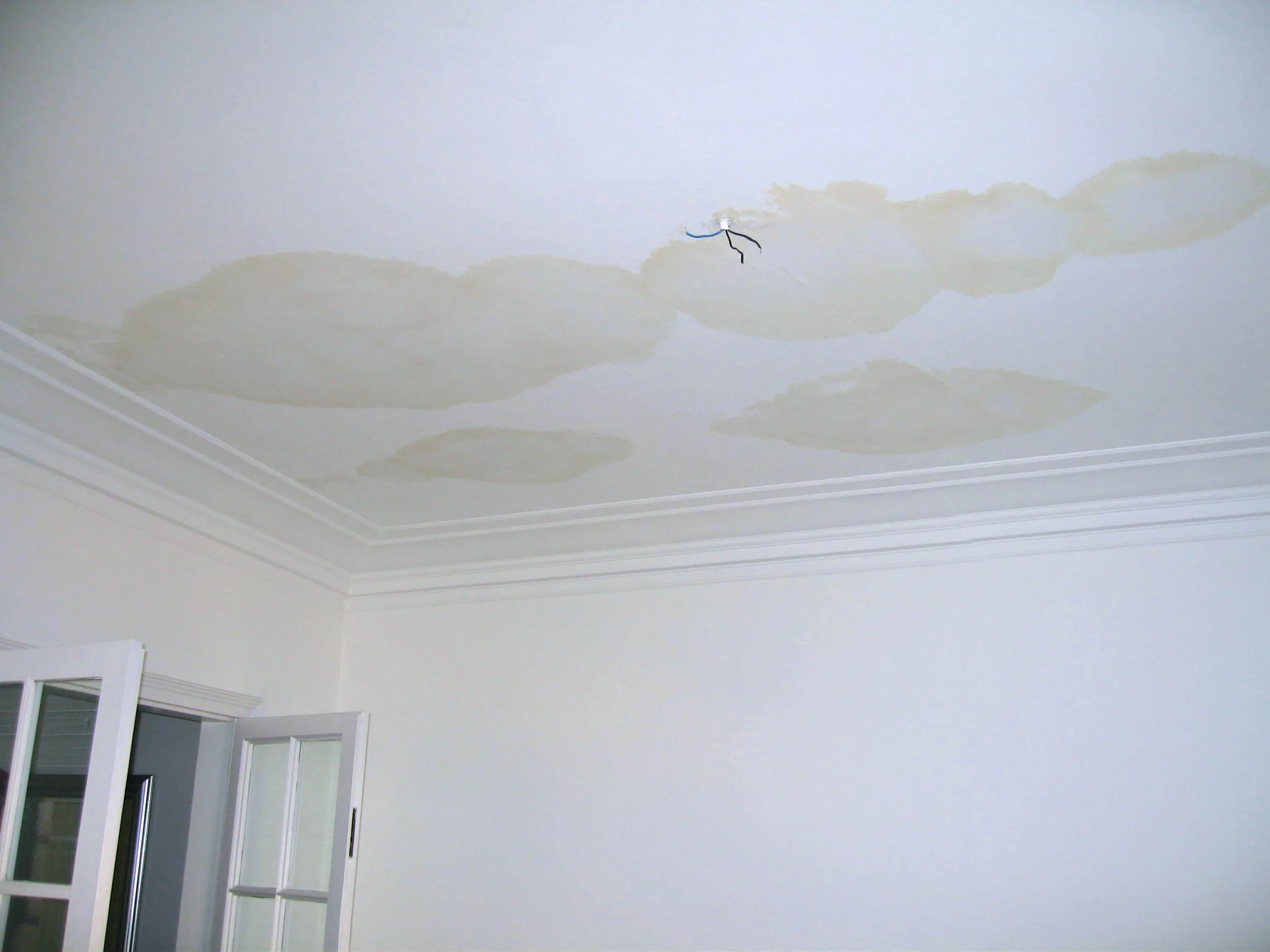
Brown, yellow, or dark patches on ceilings and interior walls are one of the most common signs of a leaking roof. These stains often grow larger after heavy rainfall and may indicate water seeping through roofing materials or flashing.
Dripping Water During Rainfall
Active dripping or trickling water during a storm is a clear sign of a leak. Even small drips should never be ignored, as they can quickly escalate into ceiling collapse, electrical hazards, or structural damage if heavy rains persist.
Mold or Mildew Growth
Persistent moisture from roof leaks creates the perfect environment for mold and mildew. You may notice a musty smell, black or green patches on walls, or mold forming around ceiling corners. Mold not only damages property but also poses serious health risks.
Peeling Paint or Bubbling Plaster
Excess moisture trapped behind walls and ceilings causes paint to peel, crack, or bubble. Plaster may swell or become soft to the touch. These signs often appear before visible dripping occurs.
Damp Attic Insulation
If your property has an attic space, check for wet insulation, damp wooden beams, or visible water trails. Wet insulation loses its effectiveness and can lead to higher energy costs, wood rot, and long-term structural issues.
Immediate Steps to Take During Heavy Rain
When a roof leak starts during a heavy downpour, quick action can minimize damage while you arrange for permanent repairs.
Contain the Leak
Place buckets, basins, or containers directly under the dripping area to collect water. Use towels or old cloths to absorb splashes and prevent water from spreading across the floor. Plastic sheets can help redirect water into containers.
Protect Furniture and Electronics
Move furniture, carpets, and electronic appliances away from the affected area. If items cannot be moved, cover them with waterproof plastic sheets to prevent damage. Always prioritize safety when handling electrical devices near water.
Relieve Water Pressure from Bulging Ceilings
If you notice a ceiling bulging with trapped water, carefully puncture the lowest point using a sharp object (such as a screwdriver) to release the water into a bucket. This controlled release prevents sudden ceiling collapse and reduces structural damage. Exercise caution and ensure electricity in the affected area is turned off first.
Temporary Sealing with Waterproof Tape or Tarpaulin
If it is safe to access the roof, you can temporarily cover the leaking section with a tarpaulin secured tightly to prevent wind displacement. Waterproof roofing tape may also help seal small cracks or gaps as a short-term solution. Avoid climbing onto the roof during strong winds or lightning storms.
When to Call a Professional Roofer Immediately
You should contact a professional roofer immediately if:
- The leak is severe or spreading quickly
- There is structural sagging or ceiling damage
- Water is near electrical wiring or fittings
- The roof was recently installed but is already leaking
- You cannot safely identify the source of the problem
Professional assessment ensures the root cause is properly fixed, preventing recurring leaks and further property damage.
How to Fix Roof Leaks Permanently
Temporary fixes can control damage during a storm, but permanent repairs are essential to stop recurring leaks. A thorough inspection by a qualified roofer will help identify the exact source of the problem and determine the right long-term solution.
Replacing Damaged or Missing Roofing Sheets/Tiles
Cracked tiles, rusted iron sheets, or missing roofing materials create direct entry points for rainwater. These sections should be carefully removed and replaced with new, high-quality materials that match your existing roof. Proper alignment and secure fastening are critical to prevent future leaks.
Sealing Cracks and Gaps with Quality Roofing Sealant
Small cracks, nail holes, and joint gaps can be sealed using durable, weather-resistant roofing sealants. High-quality sealants are flexible and can withstand temperature changes without cracking. However, sealing should only be done after addressing any underlying structural issues to ensure long-lasting results.
Repairing Flashing Around Chimneys and Vents
Flashing is installed around roof penetrations such as chimneys, vents, and skylights to prevent water intrusion. Over time, flashing may loosen, corrode, or separate from the roof surface. Repairing or replacing damaged flashing and resealing it properly is one of the most effective ways to stop persistent leaks.
Fixing Ridge Caps and Loose Fasteners
Ridge caps protect the highest point of the roof from water penetration. If they are cracked, poorly sealed, or loosely fixed, rainwater can seep underneath. Tightening loose fasteners, replacing worn screws with rubber washers, and resealing ridge caps helps restore full protection.
Addressing Structural Roof Damage
In some cases, leaks are caused by structural problems such as sagging roof sections, damaged rafters, or poor roof design. These issues require professional assessment and reinforcement. Ignoring structural damage can lead to repeated leaks and even roof collapse during heavy rains.
Preventive Measures Before the Rainy Season
Preventive maintenance is always more affordable than emergency repairs. Taking proactive steps before the rainy season can significantly reduce the risk of roof leaks.
Regular Roof Inspections
Schedule inspections at least twice a year—preferably before and after the rainy season. Look for rust, cracks, loose sheets, damaged tiles, or worn sealants. Early detection allows for quick repairs before heavy rainfall begins.
Cleaning Gutters and Downpipes
Clear out leaves, debris, and dirt from gutters and downpipes to ensure smooth water flow. Blocked drainage systems cause water to pool and overflow, increasing the risk of leaks and foundation damage.
Checking and Resealing Flashing
Inspect flashing around chimneys, vents, and roof joints for gaps or corrosion. Reseal any weak areas to prevent water from penetrating vulnerable points.
Replacing Worn-Out Roofing Materials
If certain sections of your roof show significant wear—such as heavy rusting or repeated patch repairs—it may be more cost-effective to replace them entirely rather than continue patching. Durable, weather-resistant materials provide better long-term protection.
Ensuring Proper Roof Slope and Drainage
A properly designed roof should allow rainwater to flow quickly into gutters without pooling. If your roof has poor slope or drainage issues, consider professional adjustments to improve water runoff and prevent standing water problems during heavy rains.
Best Roofing Materials for Heavy Rains in Nairobi
Choosing the right roofing material is crucial for properties in Nairobi, where heavy seasonal rains can expose weak or low-quality roofs. Durable, water-resistant materials help prevent leaks, reduce maintenance costs, and extend the lifespan of your roof.
Coated Iron Sheets (Anti-Rust)
Modern coated iron sheets—often made from galvanized or pre-painted steel—are designed to resist rust and corrosion. Anti-rust coatings such as zinc or aluminum-zinc (commonly known as Aluzinc) provide added protection against moisture. When properly installed with quality fasteners and sealants, coated iron sheets offer excellent water resistance and durability at an affordable cost.
Stone-Coated Roofing Tiles
Stone-coated steel tiles combine the strength of metal with the aesthetic appeal of traditional tiles. They are lightweight, resistant to cracking, and designed to withstand heavy rainfall and strong winds. Their interlocking design reduces water penetration, making them a reliable option for areas prone to intense storms.
Clay and Concrete Tiles
Clay and concrete tiles are known for their durability and long lifespan. When properly installed with the correct slope and underlayment, they provide excellent protection against heavy rains. Clay tiles are naturally water-resistant, while concrete tiles offer strength and stability. However, they are heavier than metal roofing and require strong structural support.
Waterproof Underlayment Systems
A high-quality waterproof underlayment acts as a secondary barrier beneath the main roofing material. Even if tiles crack or sheets shift, the underlayment helps prevent water from reaching the roof deck. Modern synthetic underlayments are more durable and moisture-resistant than traditional felt paper, offering added peace of mind during heavy rains.
When to Consider a Full Roof Replacement
Sometimes repairs are no longer enough, and replacing the entire roof becomes the most practical and cost-effective solution. Here are key signs that it may be time for a full roof replacement:
Frequent Recurring Leaks
If you constantly patch the same roof sections and leaks keep returning, the underlying roofing system may be failing. Repeated repairs can become more expensive over time than investing in a new, durable roof.
Extensive Rust or Rot
Widespread rust on iron sheets or rotting timber structures indicates advanced deterioration. Once corrosion or rot affects large sections, structural integrity is compromised, and partial repairs may not provide lasting results.
Sagging Roof Structure
A visibly sagging roof suggests serious structural issues, such as weakened rafters or water-damaged supports. This is not just a leak problem—it is a safety concern that requires immediate professional attention.
Cost Comparison: Repair vs Replacement
If repair costs approach 40–50% of the price of a new roof, replacement is often the smarter long-term investment. A new roof improves safety, enhances property value, increases energy efficiency, and provides reliable protection during Nairobi’s heavy rainy seasons.
If you are dealing with roof leaks or want to prepare your roof before the rainy season, consider working with Khatet Roofing Services Kenya. Their professional team offers thorough inspections, reliable repairs, and durable roofing solutions designed to withstand Nairobi’s heavy rains—giving you peace of mind all year round.