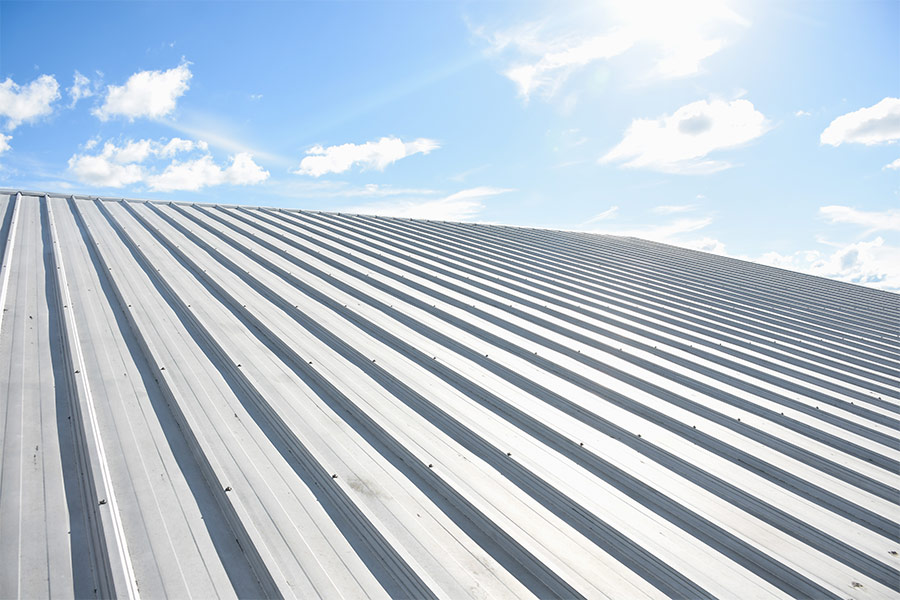
Large commercial roofs are a major investment and play a critical role in protecting business assets, employees, and daily operations. Without proper care, small issues can quickly turn into costly structural damage and operational disruptions. How to Maintain Large Commercial Roofs is a topic every property owner and facility manager should understand to extend roof lifespan and reduce unexpected expenses. Regular inspections, preventive maintenance, and timely repairs are essential for long-term performance.
Why Commercial Roof Maintenance Matters
Prevention of Leaks and Water Damage
Water infiltration is one of the most common problems in commercial roofing. Even small leaks can lead to mold growth, insulation damage, and structural weakening. Regular inspections help identify vulnerabilities before they escalate.
Protection of Business Assets and Operations
A damaged roof can disrupt daily operations, affecting productivity and inventory safety. Water leaks may damage equipment, documents, and stored goods, leading to financial losses.
Extending Roof Lifespan
Routine maintenance helps commercial roofs reach their full lifespan by addressing wear and tear early. Preventative care reduces the need for premature replacements, saving businesses significant expenses.
Common Problems Affecting Commercial Roofs
Commercial roofs face unique challenges due to their large surface areas and exposure to environmental stress. Without regular inspections and maintenance, small issues can develop into costly structural problems.
Water Pooling and Drainage Issues
Flat commercial roofs are prone to water pooling, especially when drainage systems become blocked or poorly designed. Standing water increases the risk of leaks, material degradation, and structural strain. Proper drainage maintenance and routine inspections help prevent long-term damage.
Membrane Damage and Punctures
Roofing membranes act as the primary barrier against moisture. However, sharp objects, foot traffic, or weather conditions can cause punctures and tears. Even minor damage can allow water infiltration, leading to insulation deterioration and structural weakness. Regular inspections and timely repairs help maintain membrane integrity.
UV and Weather-Related Wear
Prolonged exposure to sunlight, rain, and temperature fluctuations accelerates roof material degradation. UV rays can weaken roofing membranes, while heavy rains and strong winds contribute to wear and tear. Applying protective coatings and scheduling periodic maintenance can enhance roof durability.
Loose or Damaged Flashing
Flashing seals roof edges and joints, preventing water entry. Over time, flashing may loosen due to weather conditions or material fatigue. Damaged flashing is a common source of leaks and should be inspected and repaired promptly to maintain waterproof protection.
Debris Accumulation
Leaves, dirt, and other debris can obstruct drainage systems and trap moisture on the roof surface. Accumulated debris also accelerates material deterioration and increases the risk of leaks. Regular cleaning and maintenance help keep commercial roofs in optimal condition.
How to Maintain Large Commercial Roofs
Regular Roof Inspection Best Practices
Regular inspections are the foundation of effective commercial roof maintenance. Early detection of issues helps prevent costly repairs and extends the roof’s lifespan.
How Often Inspections Should Be Conducted
Commercial roofs should be inspected at least twice a year—ideally in the spring and fall. Additionally, inspections are recommended after severe weather events, such as heavy rains, storms, or high winds, to identify damage early.
Seasonal Inspection Tips
- Spring: Check for damage caused by winter storms, such as ice or snow accumulation, membrane tears, and loose flashing.
- Fall: Inspect for leaves, debris, and blocked drains that can lead to water pooling during rainy seasons.
What to Look for During Inspections
Focus on key problem areas:
- Standing water or drainage issues
- Cracks, blisters, or punctures in membranes
- Loose or damaged flashing
- Signs of UV or weather-related wear
- Debris accumulation
Professional vs. DIY Inspections
While DIY inspections can help identify obvious issues, professional roof inspections offer a more thorough assessment. Certified inspectors can detect hidden problems, evaluate structural integrity, and recommend preventive solutions, ensuring long-term protection.
Preventive Maintenance Strategies
Preventive maintenance ensures that small issues do not escalate into major problems, keeping your commercial roof in optimal condition.
Cleaning Gutters and Drainage Systems
Regularly cleaning gutters, downspouts, and roof drains prevents water pooling and reduces the risk of leaks and structural damage.
Removing Debris Regularly
Leaves, branches, and dirt can trap moisture and accelerate material wear. Routine removal keeps the roof surface clear and reduces the likelihood of damage.
Sealing Small Cracks and Punctures Early
Even minor membrane damage can lead to water infiltration. Promptly sealing small cracks or punctures prevents further deterioration and costly repairs.
Maintaining Protective Coatings
Roof coatings shield the membrane from UV rays, weathering, and chemical exposure. Regular application or re-coating enhances durability and extends the roof’s lifespan.
Monitoring for Signs of Wear
Keep a close eye on areas exposed to heavy foot traffic, HVAC units, or mechanical equipment. Monitoring for blisters, bubbles, or discoloration helps catch problems before they escalate.
Implementing a combination of regular inspections and preventive maintenance keeps commercial roofs safe, durable, and cost-effective over time.
Addressing Repairs Early
Timely repairs are essential for maintaining commercial roofing systems and avoiding expensive structural damage. Minor issues, when left unattended, can escalate into major problems that disrupt operations and require costly interventions.
Why Minor Repairs Prevent Major Costs
Small roof defects—such as tiny punctures or loose flashing—can allow water infiltration. Over time, moisture weakens roofing materials, damages insulation, and compromises structural integrity. Addressing repairs early helps businesses avoid extensive remediation and prolong roof lifespan.
Signs That Require Immediate Attention
Certain warning signs indicate urgent repair needs:
- Water stains on ceilings or interior walls
- Standing water on the roof surface
- Visible membrane tears or punctures
- Loose or damaged flashing
- Blistering or bubbling of roofing materials
- Unusual mold or damp odors inside the building
Prompt action upon noticing these signs minimizes damage and reduces repair costs.
Working with Professional Roofing Contractors
Professional roofing contractors provide expertise and specialized equipment for effective repairs. Certified contractors can:
- Identify hidden damage
- Perform high-quality repairs
- Ensure compliance with safety standards
- Offer warranties for workmanship
Partnering with experienced professionals ensures repairs are durable and aligned with industry best practices.
Documentation and Maintenance Records
Keeping detailed maintenance records helps track roof condition and repair history. Documentation should include:
- Inspection reports
- Repair dates and descriptions
- Photographs of problem areas
- Service provider details
Accurate records support future maintenance decisions and may be required for insurance or compliance purposes.
Benefits of Scheduled Maintenance Programs
Scheduled maintenance programs offer consistent roof care and proactive problem resolution. Benefits include:
- Regular inspections and early issue detection
- Reduced risk of emergency repairs
- Extended roof lifespan
- Predictable maintenance costs
Maintenance programs help businesses maintain operational continuity and avoid unexpected expenses.
Cost Considerations and Long-Term Savings
While professional maintenance involves upfront costs, it delivers significant long-term savings by:
- Preventing major structural damage
- Reducing repair frequency
- Extending roof service life
- Enhancing energy efficiency
Investing in preventive care is a cost-effective strategy for commercial property owners.
Safety Considerations in Roof Maintenance
Roof maintenance involves working at heights and handling materials that can pose safety risks. Following proper precautions helps prevent accidents and ensures compliance with industry standards.
Working at Heights Precautions
Working on commercial roofs requires strict safety measures:
- Use fall protection systems such as harnesses and guardrails
- Avoid roof work during adverse weather conditions
- Secure tools and equipment to prevent accidents
- Ensure stable access via ladders and scaffolding
Prioritizing safety reduces the risk of injuries and operational disruptions.
Use of Safety Equipment
Proper safety equipment is essential for roof maintenance:
- Safety harnesses and anchor points
- Non-slip footwear
- Protective helmets and gloves
- Safety nets where applicable
High-quality equipment enhances worker safety and minimizes risk during maintenance activities.
Compliance with Workplace Safety Regulations
Businesses must comply with occupational safety regulations to protect workers and avoid legal liabilities. Compliance includes:
- Adhering to safety standards
- Conducting risk assessments
- Providing adequate training
- Using approved safety equipment
Following regulations ensures a safer working environment and operational peace of mind.
Long-Term Roof Care Tips
Effective long-term care helps commercial roofs maintain performance and durability over time.
Protective Coatings and Weatherproofing
Roof coatings provide an additional layer of protection against UV rays and weather damage. Periodic application of protective coatings:
- Enhances durability
- Reduces material wear
- Improves waterproofing
- Extends roof lifespan
Weatherproofing is a cost-effective strategy for long-term roof preservation.
Monitoring Roof Performance Over Time
Regular performance monitoring helps identify emerging issues early. Businesses should:
- Conduct periodic inspections
- Track repair history
- Monitor drainage efficiency
- Document changes in roof condition
Proactive monitoring supports informed maintenance decisions and reduces repair costs.
Updating Maintenance Strategies as Roofs Age
Roofing systems evolve with age and environmental exposure. Maintenance strategies should adapt by:
- Increasing inspection frequency
- Applying protective treatments
- Addressing aging materials
- Prioritizing preventive care
Adjusting maintenance practices ensures continued roof performance and reliability.
Conclusion
Commercial roof maintenance is essential for protecting property, reducing repair costs, and ensuring business continuity. Regular inspections, preventive care, and professional repairs help businesses avoid major structural issues and extend roof lifespan.
For reliable roofing solutions and expert maintenance services, consider working with Khatet Roofing Services Kenya. Professional roofing care ensures durability, safety, and long-term value for commercial properties.